


Watering can be one of the most rewarding parts of gardening – and one of...

Gardening can adapt to different energy levels and physical limitations. Engaging in light tasks such as deadheading flowers, pruning lightly, maintaining tools, and gentle weeding allows individuals to support both their garden's health and their wellbeing. Accessible gardening practices ensure that everyone can continue nurturing their plants without overexertion, promoting a sustainable and enjoyable experience.

The Port Wine Magnolia (Michelia figo), also known as Banana Shrub, is a fragrant evergreen plant ideal for gardens of all sizes. This guide covers its growing conditions, care tips, and creative uses, emphasizing its compact nature, aromatic flowers, and low maintenance. It's perfect for beginners and enhances outdoor spaces year-round.
Gardenias (Gardenia jasminoides) are evergreen shrubs valued for their glossy foliage and fragrant white flowers. They thrive in warm, humid environments with acidic, well-draining soil, require consistent moisture, and are often used in gardens and containers. Regular care includes pruning, fertilizing, and protecting from cold conditions.

Grevilleas, native to Australia, are cherished for their flowers and ability to attract wildlife. Regular pruning enhances their growth, shape, and flowering. Best practices include pruning after flowering, light trims year-round, and avoiding harsh cuts. Hard pruning is a last resort for rejuvenation. Proper care post-pruning ensures thriving plants and blooms.

Kokedama, or "Japanese moss ball," is an artistic method to display plants by wrapping their roots in soil and moss. This eco-friendly technique is perfect for small spaces, offering low maintenance and aesthetic appeal. Step-by-step instructions guide you in making and caring for kokedama, fostering creativity and connection with nature.

Terrariums are compact, self-contained ecosystems perfect for adding greenery indoors. They improve air quality, reduce stress, and are educational. Creating one involves selecting appropriate plants, layering drainage materials, and ensuring proper care. With simple steps and mindful choices, anyone can enjoy a thriving mini garden in their home.

Creating a pond garden enhances outdoor spaces, promoting beauty and biodiversity. This guide details its benefits such as wildlife habitats and low maintenance, planning considerations, and step-by-step construction tips. Even small areas can accommodate container ponds. A pond garden rewards gardeners with a tranquil retreat while supporting local ecosystems.

Sustainable lawn alternatives offer eco-friendly solutions to conventional grass lawns, reducing water consumption, chemical usage, and maintenance. Options such as creeping thyme, white clover, and native grasses enhance soil health, support biodiversity, and provide visual appeal. Transitioning gradually to these alternatives benefits both the environment and the gardener's experience.

Lichens, a symbiotic combination of fungi and algae, thrive in clean, moist, and shaded environments, typically growing on trees and shrubs. They are harmless to plants, not drawing nutrients or moisture, and indicate good air quality. Removal is unnecessary; simple pruning can support plant health while maintaining biodiversity.
Fruit, Vegies & Herbs

Citrus trees are a rewarding addition to any garden, offering fragrant blossoms, glossy green leaves,...
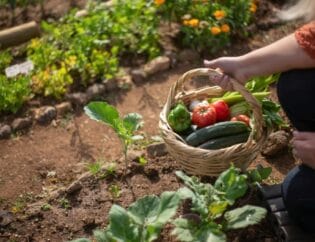
If you’re living in a subtropical region, mid to late summer is a fantastic time...
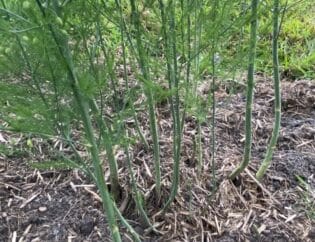
Thin asparagus spears can indicate that plants need care. Common reasons include young plant age, insufficient nutrients, overharvesting, crowded conditions, and stress from pests or diseases. To achieve thicker spears, gardeners should ensure proper fertilization, avoid aggressive harvesting, provide adequate spacing, and monitor for pests and diseases. Patience is essential.
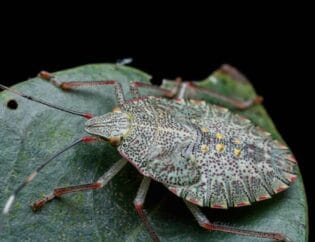
Citrus stink bugs, small shield-shaped insects, can damage citrus fruits by causing brown spots and misshapen fruits. To manage infestations, gardeners should identify stink bugs early, employ organic methods like hand-picking, encouraging natural predators, using neem oil, and set up physical barriers. Preventive measures include keeping gardens clean and monitoring nearby plants.
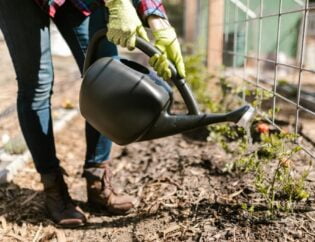
Growing vegetables in hot climates requires selecting heat-tolerant varieties to ensure success. Key vegetables include okra, peppers, eggplant, sweet potatoes, tomatoes, and cucumbers. Proper gardening practices like adequate watering, mulching, and providing shade are essential for these crops to thrive in warmer conditions. Time planting to take advantage of milder temperatures.
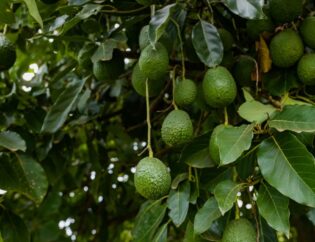
Avocados, with their creamy texture and rich flavour, have gained popularity in recent years. If...
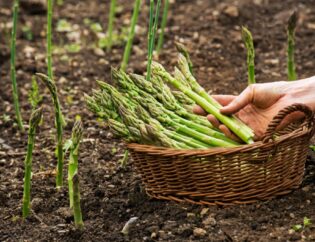
Asparagus is a spring delicacy, holds a special place in the hearts of gardeners and...

Turmeric is native to South East Asia and is usually recognizable as a bright yellow/orange...

Have you ever had trouble harvesting a great crop of corn? Healthy plants, but poor...

Ripening tomatoes late in the season will often help you harvest significantly more tomatoes than...
Chickens in the Garden

The popularity of keeping backyard chickens has increased significantly in recent years – whether it...

Sometimes it feels like facebook has been reading my mind; when the time was right,...

In South-east Queensland, we have recently had an unprecedented amount of rain. This rain has...

When our lifestyle “tweaking” began, we decided to get some chickens. The idea was based...

No matter how much we love our chickens, there are some undeniable facts that we...
Pots and Small Spaces
Kokedama, or "Japanese moss ball," is an artistic method to display plants by wrapping their roots in soil and moss. This eco-friendly technique is perfect for small spaces, offering low maintenance and aesthetic appeal. Step-by-step instructions guide you in making and caring for kokedama, fostering creativity and connection with nature.
Citrus trees are a rewarding addition to any garden, offering fragrant blossoms, glossy green leaves,...
Terrariums are compact, self-contained ecosystems perfect for adding greenery indoors. They improve air quality, reduce stress, and are educational. Creating one involves selecting appropriate plants, layering drainage materials, and ensuring proper care. With simple steps and mindful choices, anyone can enjoy a thriving mini garden in their home.

Carnivorous plants, known for trapping and digesting insects, are unique additions to gardens and indoor collections. They thrive in nutrient-poor, high humidity environments and require specific care with light, soil, and water. Species like Venus Flytrap and Pitcher plants are beginner-friendly, making the cultivation of these plants an engaging and educational experience.
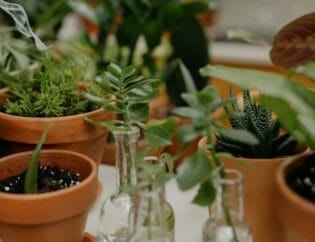
Growing plants in containers is a versatile and rewarding way to cultivate a personal green...
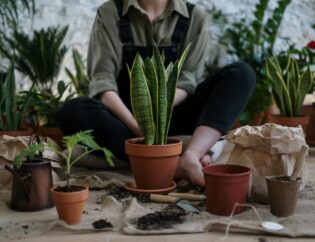
Choosing the correct pot size for your plant is vital for its health and growth. This article outlines how pot size impacts root development, soil moisture, and temperature, and offers guidance based on plant type, current and future size, drainage needs, and pot material. Careful pot selection ensures your plant thrives.
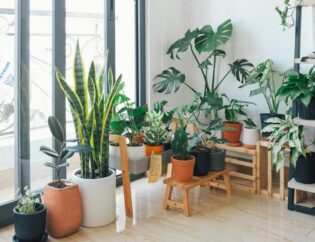
Gardening offers a rewarding escape from the hustle and bustle of everyday life, but for...
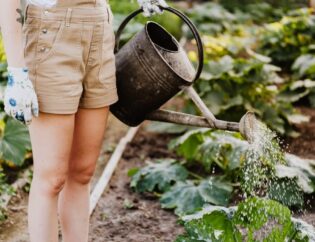
As the temperature rises and the sun beats down, gardeners face the challenge of maintaining...

When it comes to selecting plants for your garden, understanding the difference between annual and...

Having your plants in pots allows you to move your plants around and have them...
Problems, Pests and Diseases

Insect houses enhance home gardens by providing shelter for beneficial insects such as native bees, lady beetles, and lacewings, which aid in pollination and pest control. Easy to install and maintain, they contribute to a balanced ecosystem. Ideal for various garden sizes, they promote sustainable gardening practices with minimal effort.
Thin asparagus spears can indicate that plants need care. Common reasons include young plant age, insufficient nutrients, overharvesting, crowded conditions, and stress from pests or diseases. To achieve thicker spears, gardeners should ensure proper fertilization, avoid aggressive harvesting, provide adequate spacing, and monitor for pests and diseases. Patience is essential.
Citrus stink bugs, small shield-shaped insects, can damage citrus fruits by causing brown spots and misshapen fruits. To manage infestations, gardeners should identify stink bugs early, employ organic methods like hand-picking, encouraging natural predators, using neem oil, and set up physical barriers. Preventive measures include keeping gardens clean and monitoring nearby plants.
As the temperature rises and the sun beats down, gardeners face the challenge of maintaining...
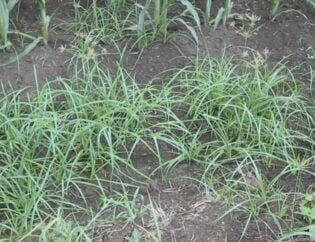
Nutgrass is also known in various parts of the world as sedge grass. But no...

Maintaining a beautiful garden is a rewarding experience, but it often requires time and effort....

Insecticidal soap is an effective and environmentally friendly way to control pests on plants without...

Aphids, those tiny sap-sucking insects, can wreak havoc on some of your favourite garden plants....

Are you used to having successful harvests but now have difficulty getting even a fraction...
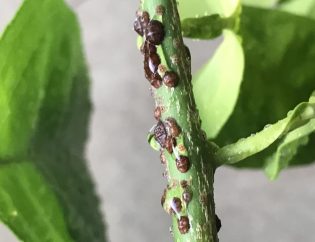
There are hundreds of different scale species, but one thing that they all have in...
Tips, Tools and Techniques
Watering can be one of the most rewarding parts of gardening – and one of...
Gardening can adapt to different energy levels and physical limitations. Engaging in light tasks such as deadheading flowers, pruning lightly, maintaining tools, and gentle weeding allows individuals to support both their garden's health and their wellbeing. Accessible gardening practices ensure that everyone can continue nurturing their plants without overexertion, promoting a sustainable and enjoyable experience.
Insect houses enhance home gardens by providing shelter for beneficial insects such as native bees, lady beetles, and lacewings, which aid in pollination and pest control. Easy to install and maintain, they contribute to a balanced ecosystem. Ideal for various garden sizes, they promote sustainable gardening practices with minimal effort.
Terrariums are compact, self-contained ecosystems perfect for adding greenery indoors. They improve air quality, reduce stress, and are educational. Creating one involves selecting appropriate plants, layering drainage materials, and ensuring proper care. With simple steps and mindful choices, anyone can enjoy a thriving mini garden in their home.
Creating a pond garden enhances outdoor spaces, promoting beauty and biodiversity. This guide details its benefits such as wildlife habitats and low maintenance, planning considerations, and step-by-step construction tips. Even small areas can accommodate container ponds. A pond garden rewards gardeners with a tranquil retreat while supporting local ecosystems.
Sustainable lawn alternatives offer eco-friendly solutions to conventional grass lawns, reducing water consumption, chemical usage, and maintenance. Options such as creeping thyme, white clover, and native grasses enhance soil health, support biodiversity, and provide visual appeal. Transitioning gradually to these alternatives benefits both the environment and the gardener's experience.

Composting converts kitchen and garden waste into nutrient-rich compost, benefiting soil health and plant growth. Different methods include traditional, vermicomposting, and hot composting. Key steps involve selecting materials, maintaining balance, and proper maintenance. Composting enriches soil, reduces waste, and fosters sustainable gardening, ultimately enhancing plant vitality and ecosystem health.
Lichens, a symbiotic combination of fungi and algae, thrive in clean, moist, and shaded environments, typically growing on trees and shrubs. They are harmless to plants, not drawing nutrients or moisture, and indicate good air quality. Removal is unnecessary; simple pruning can support plant health while maintaining biodiversity.

April is an ideal time for essential lawn care to enhance growth during warmer months. Start with an assessment, dethatching, and aerating to support roots. Feed with organic fertilizers, overseed bare patches, and water deeply. Control weeds naturally and mow correctly. Consistent care leads to a vibrant, resilient lawn throughout spring and summer.

Magnolia grandiflora, or Southern magnolia, is an evergreen tree celebrated for its large, scented white flowers. Thriving in warm climates (USDA Zones 6-10), it requires full sun, well-draining soil, and ample space. Proper planting, watering, and minimal pruning ensure success, providing year-round beauty and fragrance in gardens.
Soil, Mulch and Compost

Crimson clover (Trifolium incarnatum) is an annual legume praised for its nitrogen-fixing abilities, enhancing soil health and suppressing weeds. Beneficial in vineyards and gardens, it attracts pollinators and pest-controlling insects, while acting as a living mulch. It promotes sustainable practices, reducing reliance on chemical fertilizers and supporting biodiversity.
Composting converts kitchen and garden waste into nutrient-rich compost, benefiting soil health and plant growth. Different methods include traditional, vermicomposting, and hot composting. Key steps involve selecting materials, maintaining balance, and proper maintenance. Composting enriches soil, reduces waste, and fosters sustainable gardening, ultimately enhancing plant vitality and ecosystem health.

Your morning brew does more than energise your day – it can also revitalise your...
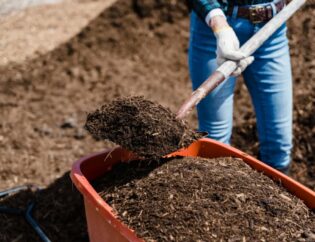
Mushroom compost is an excellent organic material that can greatly improve your soil and therefore...
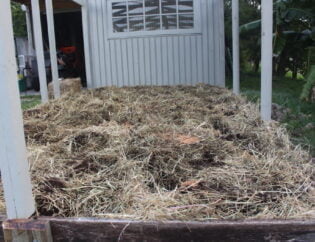
Creating a garden bed in which you can reliably grow healthy plants for years to...
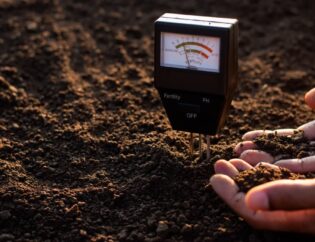
Having a productive and sustainable vegetable garden starts with understanding the soil within which you...

Good soil drainage is very important to successful gardening. Without good drainage, excess water is...

A question that I have commonly been asked and have had to address in my...

Soil is the material that forms the foundation of all gardens. It plays a crucial...
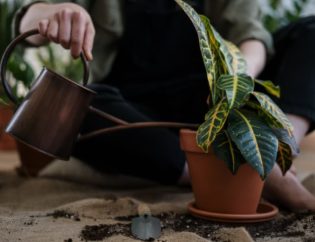
All plants have their own specific needs. What these needs are vary from one plant...