
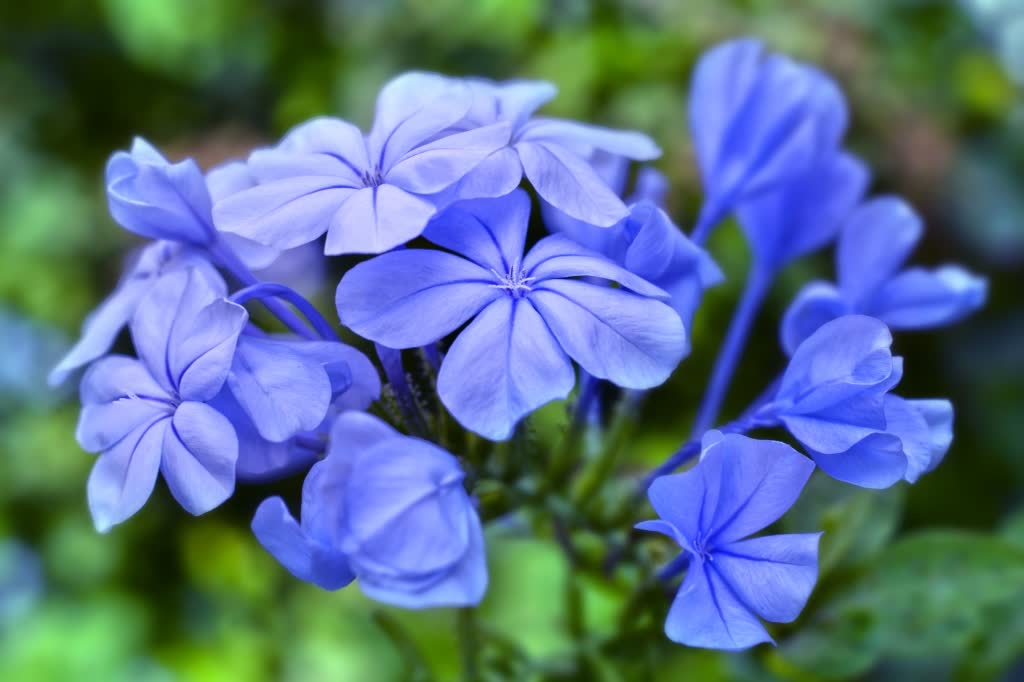
This week's plant profile is one that's been growing in Australian gardens for generations; Plumbago auriculata, commonly known as Cape Plumbago. You've almost certainly seen it, even if you weren't sure of the name.
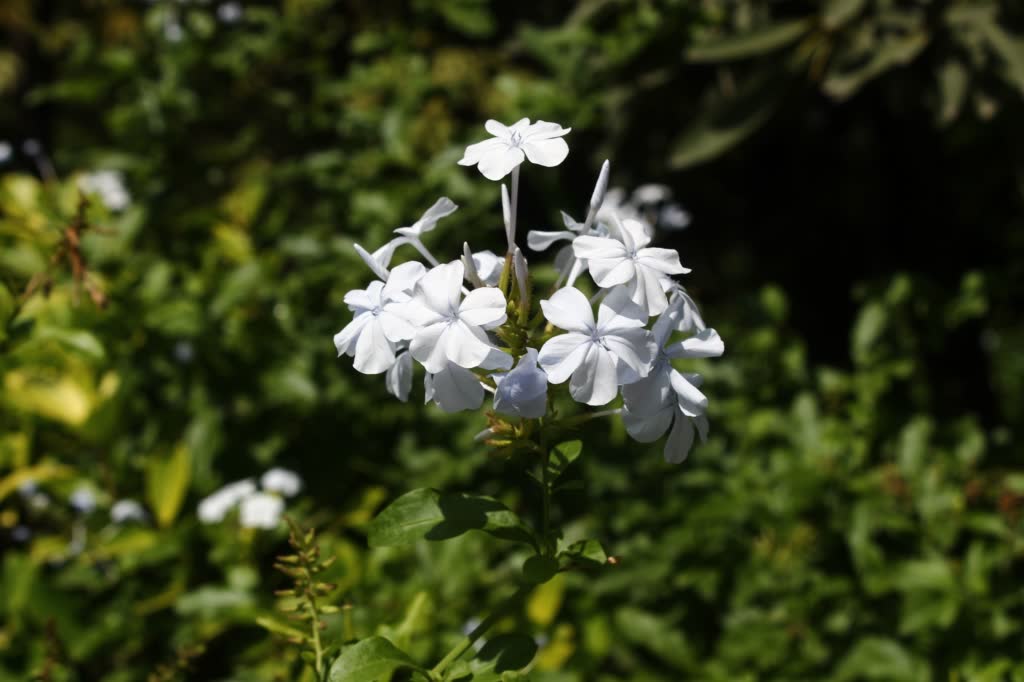
It's a sprawling, semi-climbing shrub that produces clusters of small, delicate flowers in a soft powder blue; a colour that's genuinely hard to find in the garden, which is part of what makes it so useful. There's also a white-flowered form, alba, if you prefer something a little more neutral. Both flower prolifically from spring through to autumn, and in frost-free coastal areas they can continue flowering right through winter as well.
Cape Plumbago originates from South Africa, and it's very well adapted to the east coast of Australia. It thrives in full sun and handles heat and dry periods once established; making it a practical choice for gardens that don't always get the attention they deserve. It will tolerate part shade, though flowering tends to be more generous in a sunny spot.
In terms of size, it typically reaches around 1.5 to 2 metres in height but can spread considerably wider - up to 3 metres across if left to its own devices. It responds well to pruning, so if you want to keep it tighter, or use it as a trained climber against a fence or trellis, it takes to that readily. A hard prune in late winter is a good habit to get into - it tidies the plant up and encourages the new growth that carries the flowers.
It's not fussy about soil, as long as drainage is reasonable. Once established, watering requirements are modest. A slow-release fertiliser applied a couple of times a year will keep it performing well.
One thing worth knowing is that the flower clusters are sticky to the touch, due to small glandular hairs on the calyx. That's normal, but worth being aware of when you're pruning or handling it.
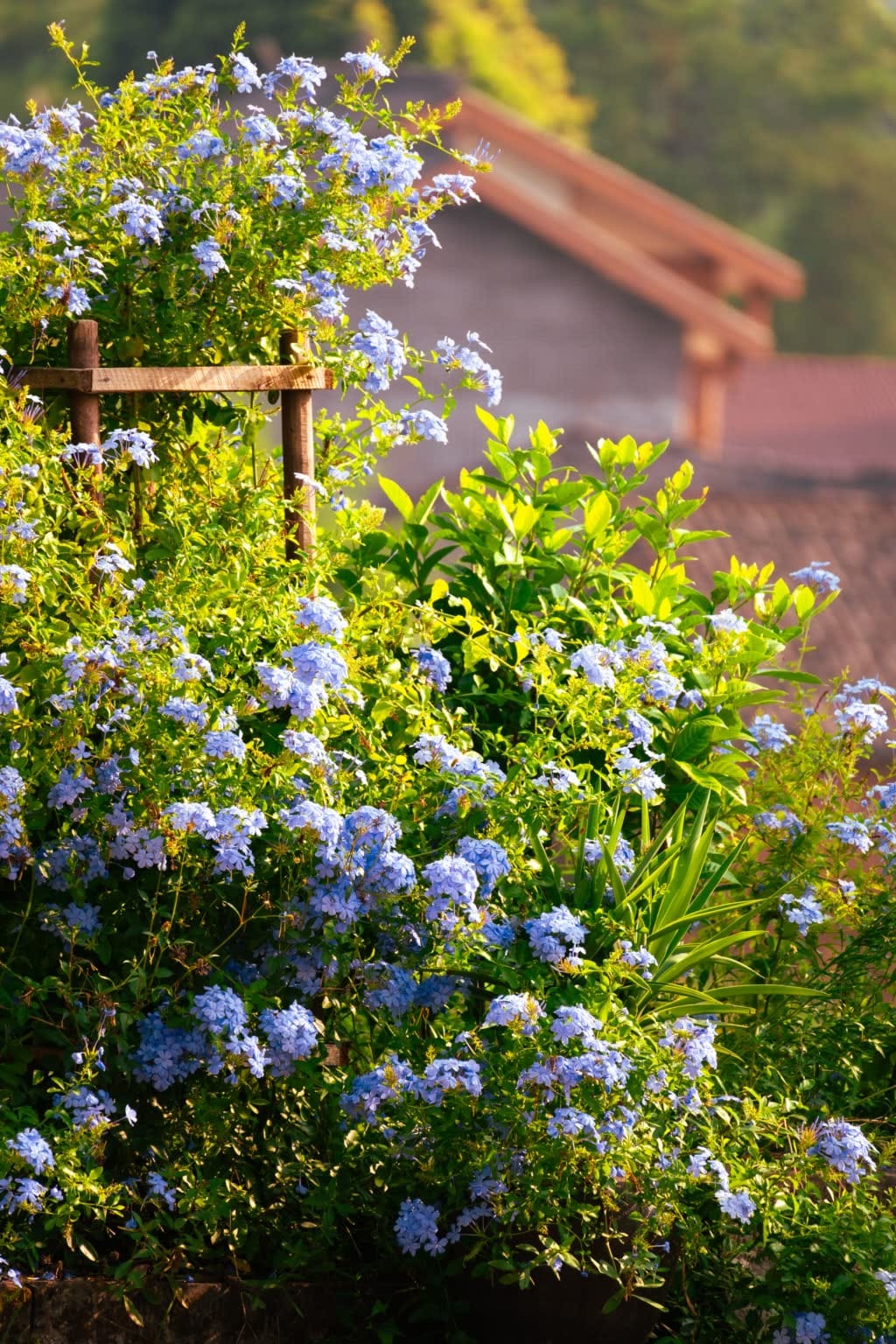
Worth a mention also is that Plumbago can sucker and spread, so it's worth keeping an eye on that and removing any suckers that appear outside where you want the plant to grow. It also has some weed potential in certain areas, so check with your local council if your garden adjoins native bushland.
If you're looking for something that produces reliable colour from spring right through to autumn with very little intervention, Cape Plumbago is a solid option. It's widely available at nurseries, easy to establish, and that soft blue is a genuinely useful colour to have in the garden.
FAQs
Cape Plumbago typically grows to around 1.5 to 2 metres tall and can spread up to 3 metres wide if left alone. The good news is it responds really well to pruning, so keeping it compact is straightforward. A good hard cut in late winter before new growth kicks off will keep it tidy and actually encourages more flowers, since blooms appear on new growth.
The most common reasons are too much shade, or the plant hasn't been pruned for a while. Plumbago flowers on new growth, so if it hasn't been cut back it can get woody and flower less generously over time. Move it to a sunnier spot if you can, give it a decent prune in late winter, and a controlled-release fertiliser in spring should get it going again.
It's worth being cautious. The plant contains plumbagin, a chemical compound that can cause skin irritation on contact - particularly from the roots and sap. It's not highly toxic, but it's worth wearing gloves when pruning, and it's sensible to discourage small children and pets from chewing on it.
Yes, it does quite well in a large container, which also has the benefit of containing its spread. Use a good quality potting mix with decent drainage, water regularly through the warmer months, and feed with a controlled-release fertiliser twice a year. It may need potting up every couple of years as it grows.
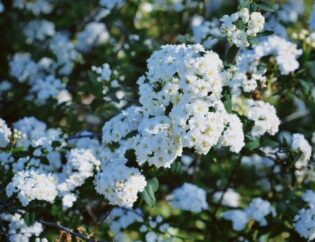
Both are the same species - Plumbago auriculata - just different colour forms. The blue is by far the more common and the one most people picture when they think of Plumbago. The white form, known as alba, has a cleaner, more neutral look that works well in low-contrast garden schemes or alongside silvery foliage plants. Both flower at the same time and have the same care requirements.




Get involved!
Comments