
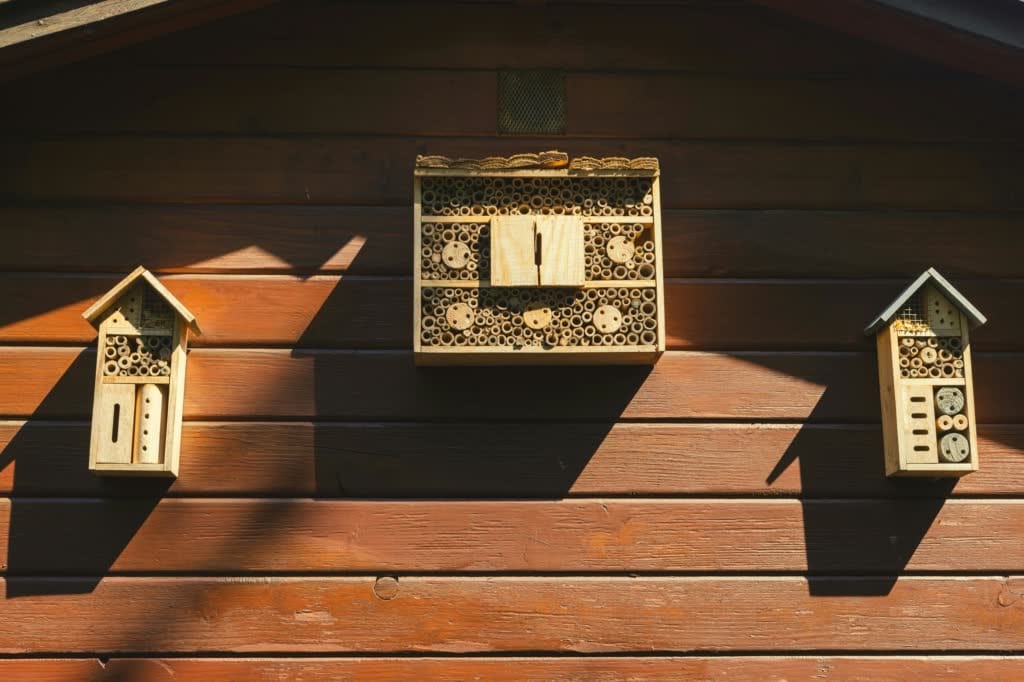
Gardening doesn’t need to be busy, demanding, or perfect to be meaningful. For many home gardeners, especially those working with limited time, energy, or mobility, the most rewarding changes are often the simplest ones. Adding an insect house to your garden is one such step - gentle, low-effort, and surprisingly effective.
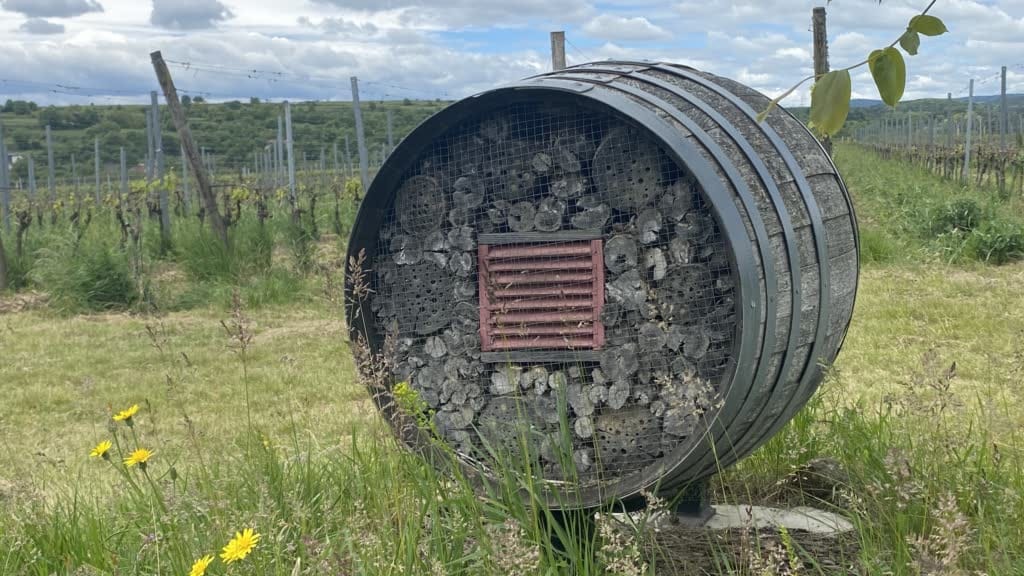
Insect houses offer shelter for beneficial insects that quietly support pollination, pest balance, and overall garden health. They are used not only in home gardens, but also in agriculture, including vineyards, where growers work with natural systems to reduce chemical inputs. This shared approach shows just how valuable these small structures can be.
What Are Insect Houses (and Why They Matter)?
Insect houses - sometimes called insect hotels - are small structures designed to provide safe shelter for beneficial insects. In modern gardens, natural hiding places such as hollow stems, fallen wood, and undisturbed soil are often removed in the name of tidiness. Insect houses help replace that lost habitat.
They matter because many beneficial insects are essential partners in the garden. They pollinate plants, manage pest populations, and contribute to a healthier ecosystem overall. By offering a place to rest, nest, or overwinter, insect houses support these insects at key points in their life cycle.
Beneficial Insects Supported by Insect Houses
Insect houses are not about attracting “bugs” in general, but about supporting specific helpful species.
Common beneficial insects include:
- Solitary native bees, which are excellent pollinators and rarely sting
- Lady beetles, which feed on aphids and other soft-bodied pests
- Lacewings, whose larvae help manage pest populations
- Predatory wasps, which assist with natural pest control
These insects work quietly and efficiently, often without being noticed, making them ideal allies for low-maintenance gardening.
How Insect Houses Work in the Home Garden
In the home garden, insect houses function as support structures rather than solutions on their own. They work best when combined with flowering plants, herbs, and a generally chemical-free approach.
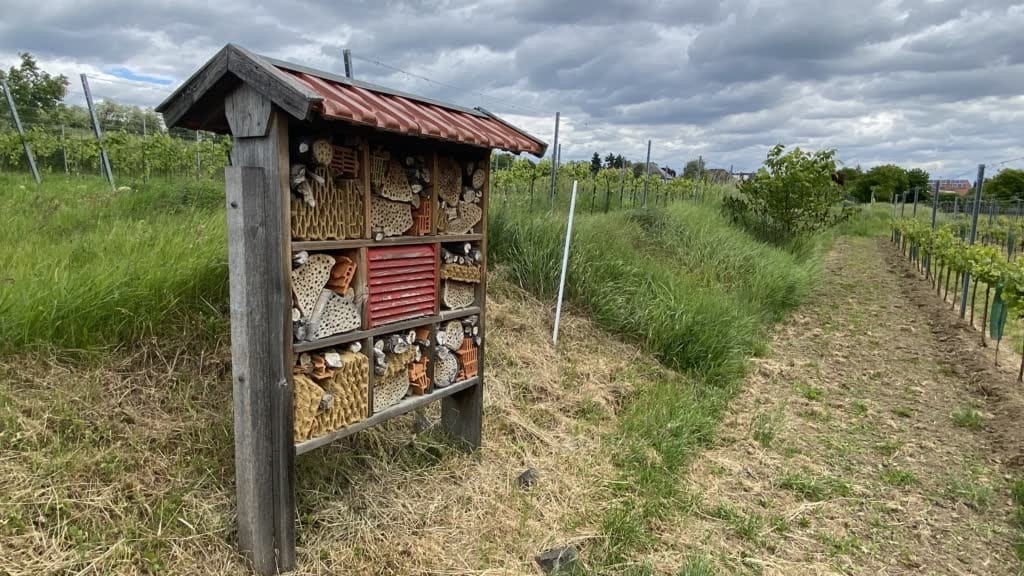
Once installed, insects may take time to move in. This is normal. Gardens are living systems, and balance develops gradually. Even if you don’t see immediate activity, the presence of an insect house contributes to a more welcoming environment over time.
Use of Insect Houses in Agriculture & Vineyards
Best Placement for Maximum Success
Good placement makes a real difference, and it doesn’t need to be complicated.
For best results:
- Place insect houses in a sunny, sheltered spot
- Mount them off the ground, ideally 1-1.5 metres high
- Position them near flowering plants or herbs
- Ensure they are protected from heavy rain
If reaching high spots is difficult, a lower position is still helpful. Gardening adapts to you — not the other way around.
Seasonal Care & Maintenance
Insect houses require very little ongoing care, which makes them well suited to low-energy gardening.
Helpful seasonal practices include:
- Leaving houses undisturbed through winter
- Checking once a year for damage or mould
- Replacing natural materials every few years if needed
There is no need for frequent cleaning. A slightly weathered insect house is often more inviting than a pristine one.
Are Insect Houses Worth It for Home Gardeners?
For most home gardeners, insect houses are absolutely worth it - especially if you value sustainable, gentle gardening practices. They are low-cost, low-effort, and align well with a “work with nature” approach.
While they won’t solve every pest issue, they do contribute to a healthier, more balanced garden over time. Even small gardens, balconies, and courtyards can benefit.
Frequently Asked Questions
No. Insect houses are designed for specific beneficial insects and do not attract termites, rodents, or aggressive species.
It can take weeks or even a full season. This is normal and depends on local insect populations and nearby plants.
Yes. Insect houses are suitable for gardens of all sizes, including containers and balconies.
One is enough to start. Multiple houses can be added gradually if desired.
A Gentle Way to Support Your Garden
Using insect houses in the home garden is a quiet, supportive act - one that asks very little and gives back steadily over time. Whether your garden is large or small, carefully tended or gently managed, insect houses offer a way to partner with nature rather than push against it.
Gardening is not about doing more. It’s about doing what feels possible, sustainable, and kind - to yourself and to the living world around you.




Get involved!
Comments