
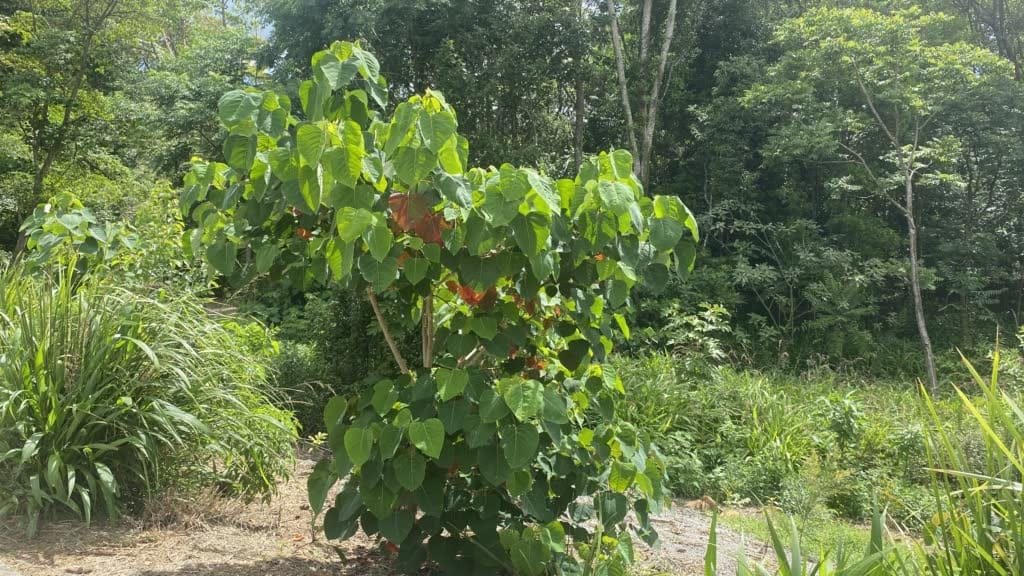
Gardening is a journey that connects us all to the rhythm of the land we share. For many of us living in Australia, choosing plants that support our local ecosystems while providing year-round beauty is a top priority. One plant that consistently stands out for its resilience, striking appearance, and ecological value is the Bleeding Heart Tree.
Scientifically known as Homalanthus populifolius (and occasionally referred to by its older name, Omalanthus populifolius), this species is a true icon of the Australian bush. Whether you are a seasoned horticulturalist or someone just starting their first garden patch, this tree offers something for everyone. In this guide, we will explore why the Bleeding Heart Tree is a must-have for inclusive, sustainable gardens.
What is the Bleeding Heart Tree?
The Bleeding Heart Tree is a fast-growing, evergreen small tree or large shrub native to the rainforest margins of Queensland and New South Wales. It belongs to the Euphorbiaceae family, a diverse group of plants known for their unique survival strategies.
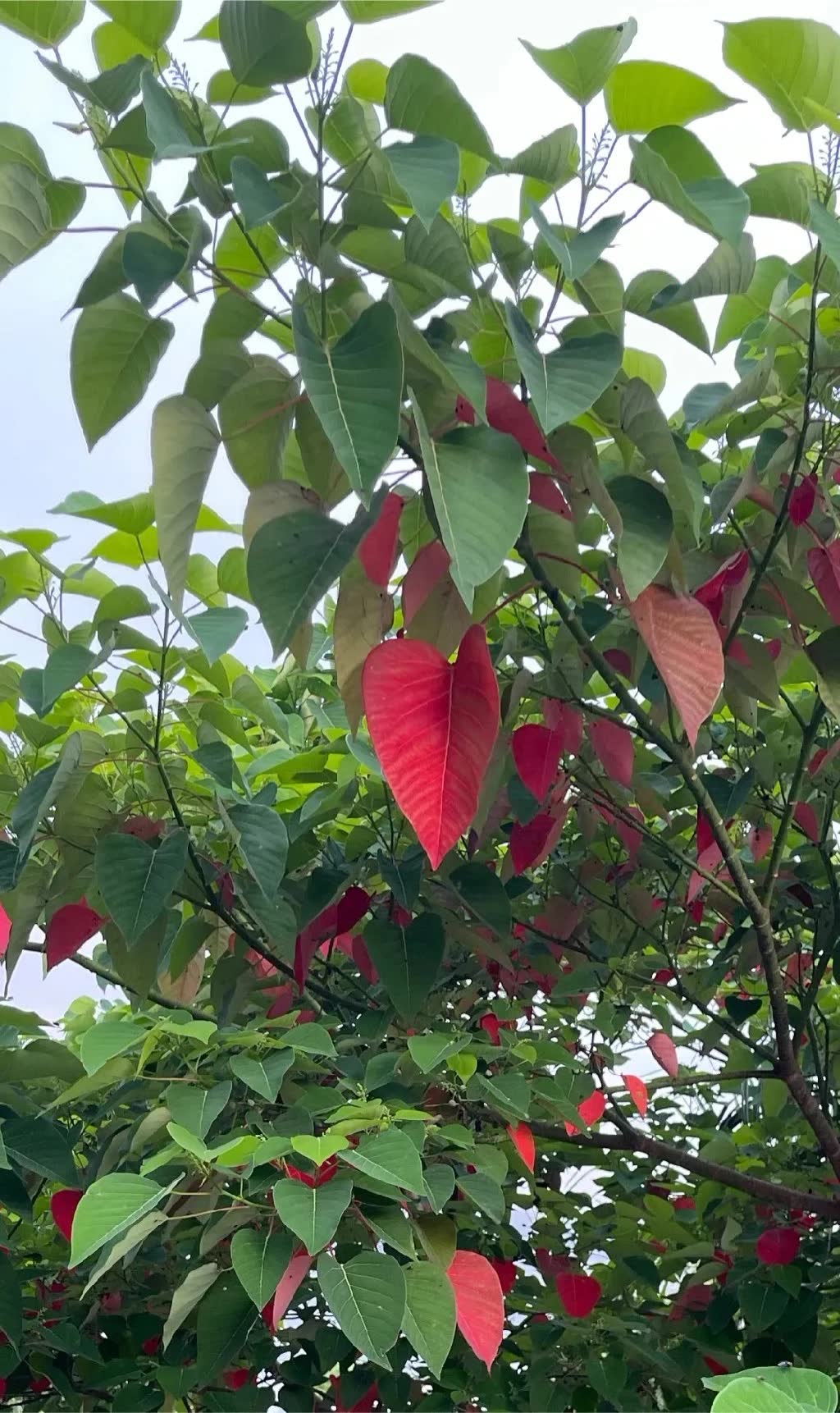
Its most famous feature - and the source of its common name - is its large, heart-shaped leaves. While the foliage is typically a lush, vibrant green, individual leaves turn a brilliant, deep blood-red as they age, especially during the cooler months. This creates a stunning "bleeding" effect throughout the canopy, offering a splash of crimson even when other plants are dormant.
A Pioneer for the People and the Planet
In the wild, the Bleeding Heart Tree is known as a "pioneer species". This means it is one of the first plants to grow in areas that have been disturbed by fire, storms, or land clearing. In our home gardens, this "pioneer" spirit translates to a plant that grows incredibly quickly - sometimes up to two metres in a single year.
For those creating a new garden or looking for a fast-growing privacy screen, the Bleeding Heart Tree provides rapid results. It creates a soft, leafy canopy that offers shade and humidity, which in turn helps more delicate plants thrive underneath it.
Inclusive Gardening with Homalanthus
Gardening should be accessible to everyone, regardless of their physical ability or level of experience. The Bleeding Heart Tree is a fantastic choice for inclusive garden design for several reasons:
- Low Maintenance: Once established, these trees require very little intervention. This makes them ideal for gardeners who may have limited energy or mobility.
- Sensory Appeal: The soft texture of the leaves and the changing colours provide a rich sensory experience that can be enjoyed by everyone, including children and those with sensory sensitivities.
- Safety First: Unlike many other rainforest plants, the Bleeding Heart Tree does not have thorns or spikes. However, gardeners should be aware that it does produce a milky sap that can irritate the skin of some people, so wearing gloves when pruning is a good practice for everyone.
Essential Care Tips for Your Bleeding Heart Tree
To ensure your Bleeding Heart Tree thrives, it is important to understand its natural preferences. Fortunately, this native is quite forgiving.
Sun and Soil
This tree is highly adaptable. It will grow happily in full sun to part shade. While it loves the bright light of an open garden, it is shade-tolerant enough to be tucked away in those "tricky" south-facing spots where other plants might struggle.
In terms of soil, it prefers moist, well-draining loam rich in organic matter. If your soil is sandy or heavy clay, simply mixing in some compost or well-rotted manure before planting will give your tree the best start.
Watering and Feeding
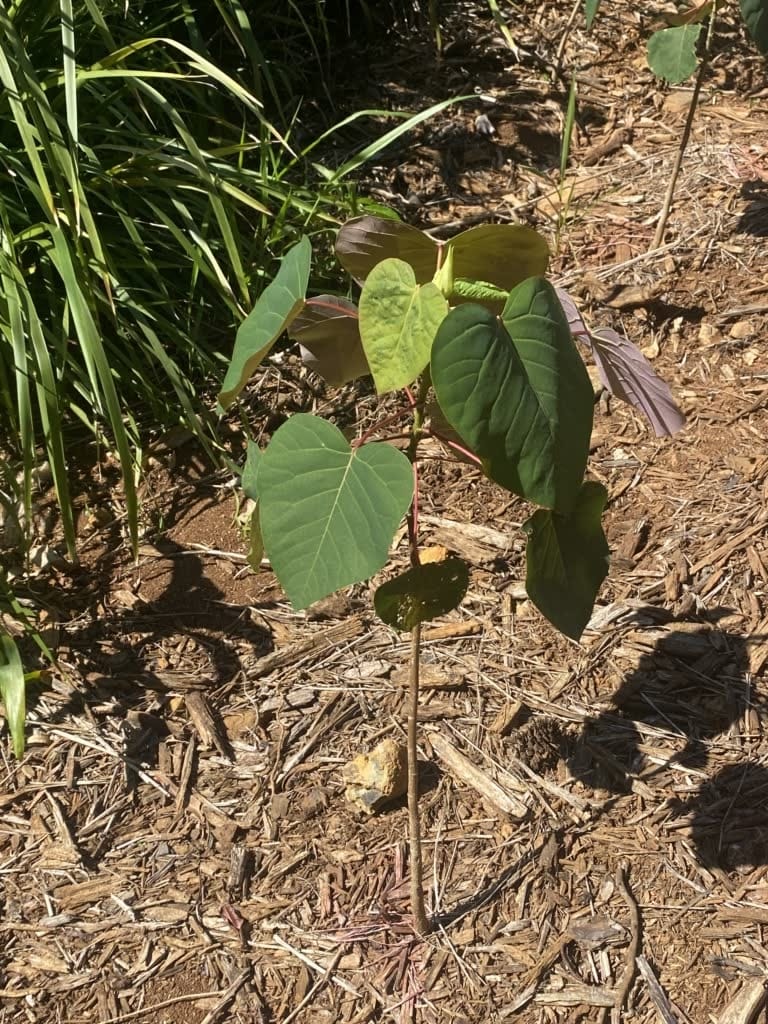
While the Bleeding Heart Tree is relatively hardy, it does appreciate consistent moisture, especially during dry spells. A thick layer of mulch around the base of the tree (keeping it away from the trunk itself) will help retain soil moisture and mimic the natural leaf litter of the rainforest floor.
For feeding, a light application of a low-phosphorus native fertiliser in early spring is usually all it needs. Avoid over-fertilising, as these plants are naturally adapted to the relatively low-nutrient soils of the Australian landscape.
Ecological Benefits: Inviting Nature In
When you plant a Bleeding Heart Tree, you aren't just adding a beautiful feature to your yard; you are supporting a whole community of native wildlife.
The small, yellow-green flower spikes are followed by purple-black fruits that are an absolute magnet for native birds. You might find yourself sharing your morning tea with:
- Brown Cuckoo Doves
- Silvereyes
- Lewin’s Honeyeaters
- Rainforest Pigeons and Orioles
Additionally, this tree is the host plant for the spectacular Hercules Moth, Australia’s largest moth. Seeing these magnificent creatures in your garden is a rewarding experience that connects your home to the wider Australian ecosystem.
FAQs
Compared to a slow-growing oak or a long-lived gum tree, yes. They typically live for about 15 to 20 years. However, their fast growth and the ease with which they self-seed means that you will likely always have a new generation ready to take over when the original tree reaches the end of its life.
Absolutely! Compact specimens of the Bleeding Heart Tree can look stunning in large containers on balconies or patios. Just ensure the pot has excellent drainage and that you water it more frequently than you would if it were in the ground.
Not necessarily, but it responds very well to it. If your tree becomes a bit leggy or outgrows its space, don't be afraid to give it a tidy-up in late winter or early spring. This will encourage bushier growth and a more compact shape.
Conclusion: A Heart for Every Garden
The Bleeding Heart Tree is more than just a plant; it is a symbol of resilience and community. By choosing this native species, you are creating a garden that is inclusive of both people and wildlife. Its rapid growth, stunning seasonal colours, and easy-going nature make it a perfect addition to the modern Australian home garden.
Whether you're planting one to screen a fence, provide shade for a bench, or simply to watch the birds enjoy its fruit, the Bleeding Heart Tree will quickly become a cherished part of your outdoor space.



Get involved!
Comments