
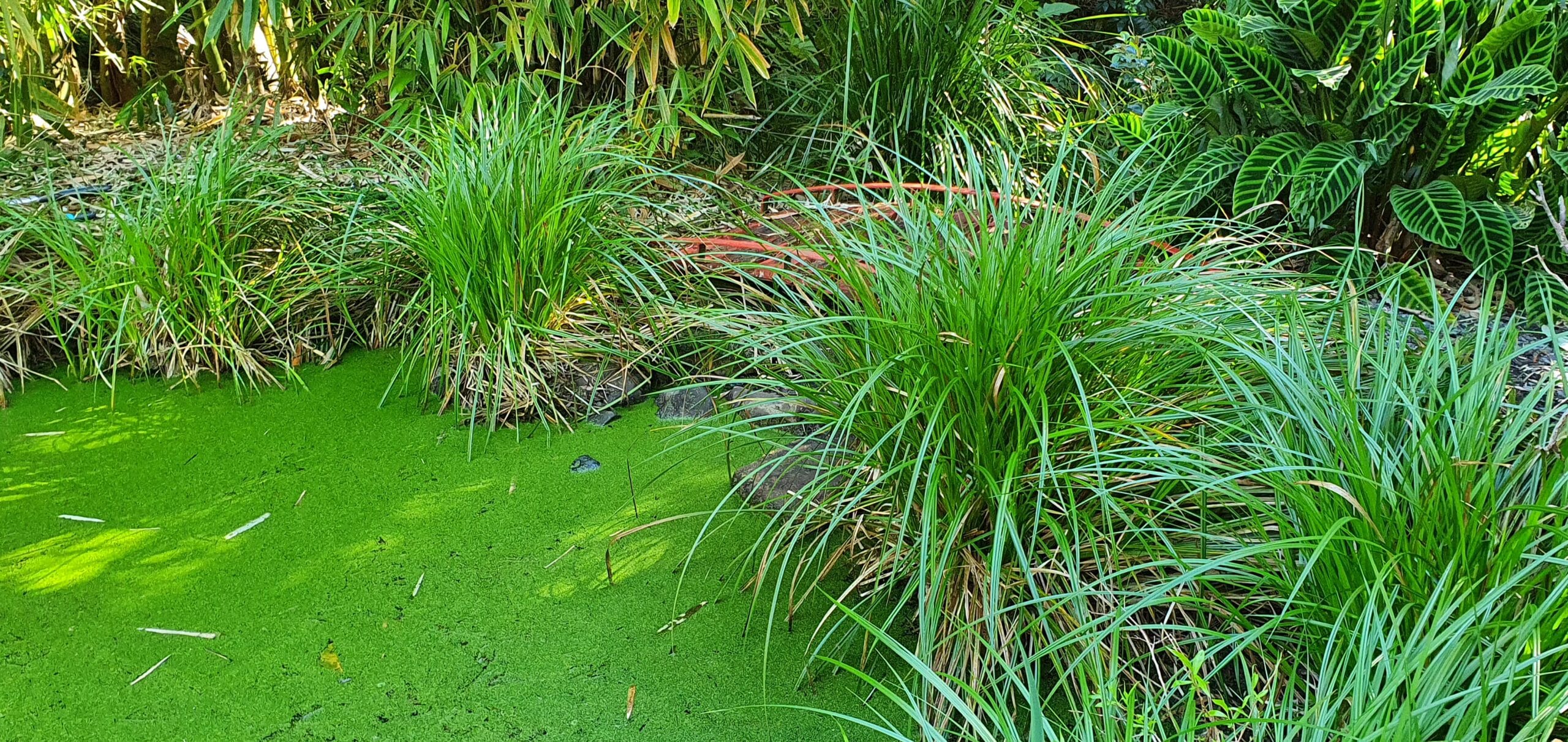
Gardening should be rewarding, not demanding. Many people are searching for plants that offer structure, beauty, and resilience without needing constant attention. Lomandra is the perfect solution. This dependable Australian native fits beautifully into landscapes designed to work with nature and the gardener’s available energy.
Learning how to grow Lomandra in the home garden helps create landscapes that are water-wise, accessible, and supportive of local ecosystems. Whether you are tending a large backyard, a small balcony, or maintaining a garden with limited mobility, Lomandra is a practical and reassuring choice.
What is Lomandra?
Lomandra is a group of hardy, evergreen perennials native to Australia. Often called "Mat Rush," it naturally thrives in diverse conditions—from coastal dunes to open woodlands. This adaptability makes it one of the best plants for Australian home gardens across many climates.
Lomandra forms neat clumps of arching leaves and produces subtle, scented flower spikes in spring. Common varieties include:
- Lomandra longifolia (Mat Rush): The classic, sturdy choice.
- ‘Tanika’: Known for its fine leaf texture and soft feel.
- ‘Katrinus Deluxe’: Excellent for erosion control and mass planting.
- ‘Nyalla’: A salt-tolerant variety perfect for coastal breezes.
Why Choose Lomandra for the Home Garden?
A Truly Low-Maintenance Plant
One of Lomandra’s greatest strengths is how little it asks of us. Once established, it rarely needs watering or pruning. This makes it ideal for accessible gardening, supporting those with limited energy or time.
Drought-Tolerant and Water-Wise
Lomandra is naturally adapted to dry spells. It maintains its vibrant green colour through heatwaves, making it a cornerstone of sustainable, climate-aware gardening.
Supports Local Biodiversity
As a native species, Lomandra provides essential habitat for small blue-tongue lizards, butterflies, and beneficial insects. Its presence helps connect your garden to the wider local ecosystem.
Safe and Accessible Foliage
Many modern varieties are "soft-leafed." Unlike some ornamental grasses that can be sharp or scratchy, these varieties are safe to plant near paths, entryways, and sensory garden spaces.
How to Grow Lomandra Successfully
Choosing the Right Position
Lomandra is highly flexible. For the best results, look for a spot with:
- Sunlight: At least 4–6 hours of sun (though many handle part shade well).
- Airflow: Good circulation helps prevent crown rot.
- Drainage: While tough, they prefer not to sit in waterlogged soil.
Soil Requirements
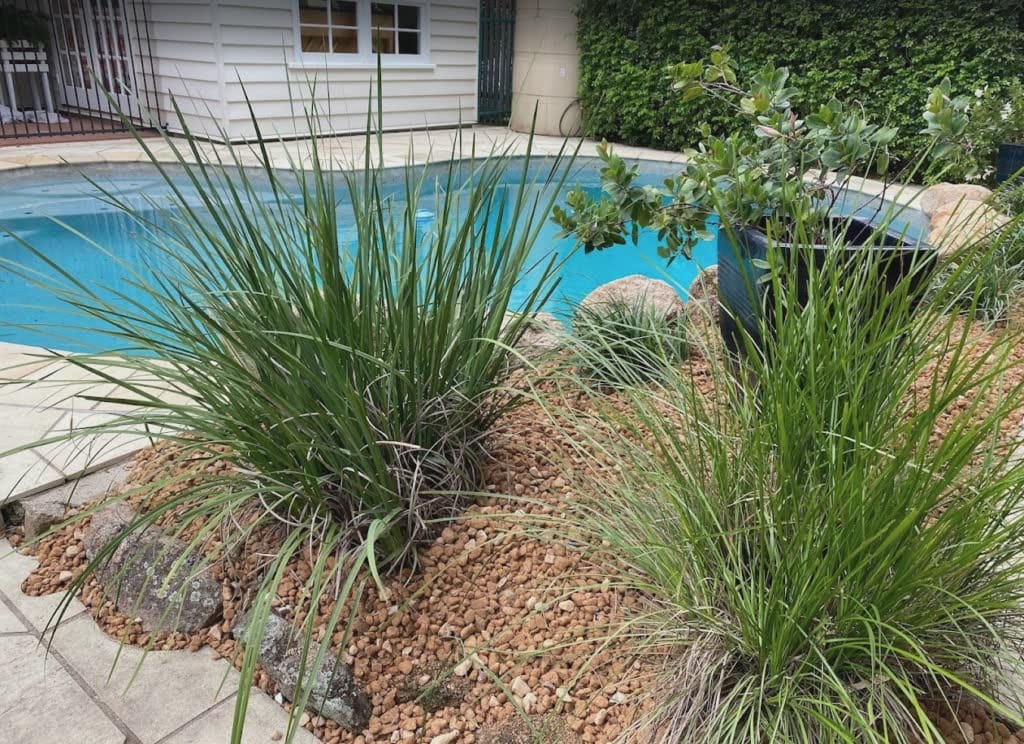
Lomandra is incredibly forgiving of different soil types. It will grow happily in sandy, loamy, or even heavy clay soils, provided there is reasonable drainage. To give young plants a gentle start, you can mix a little compost into the hole at planting time.
Planting Tips
When planting Lomandra, keep these simple steps in mind:
- Dig a hole slightly wider than the current pot.
- Position the plant so the "crown" (where the leaves meet the roots) sits level with the soil surface.
- Backfill gently and water well to settle the roots.
Ongoing Care: Watering and Feeding
Watering Schedule
- New Plants: Water regularly for the first 8–12 weeks.
- Established Plants: Lomandra rarely needs supplemental water. In extreme droughts, a single deep soak will keep the foliage looking lush.
Simple Feeding
Lomandra generally thrives without extra fertiliser. If growth seems slow, apply a light dose of low-phosphorus native fertiliser in spring. Avoid overfeeding, as this can make the plant less resilient.
Pruning and Maintenance Made Easy
Lomandra is very forgiving if maintenance is delayed. If you feel the plants need a "tidy up":
- Timing: Late winter or early spring is best.
- Technique: Use sharp, clean shears to cut the foliage back to about one-third of its height.
- Pacing: If energy is limited, prune one or two plants at a time rather than the whole garden at once.
Creative Ways to Use Lomandra
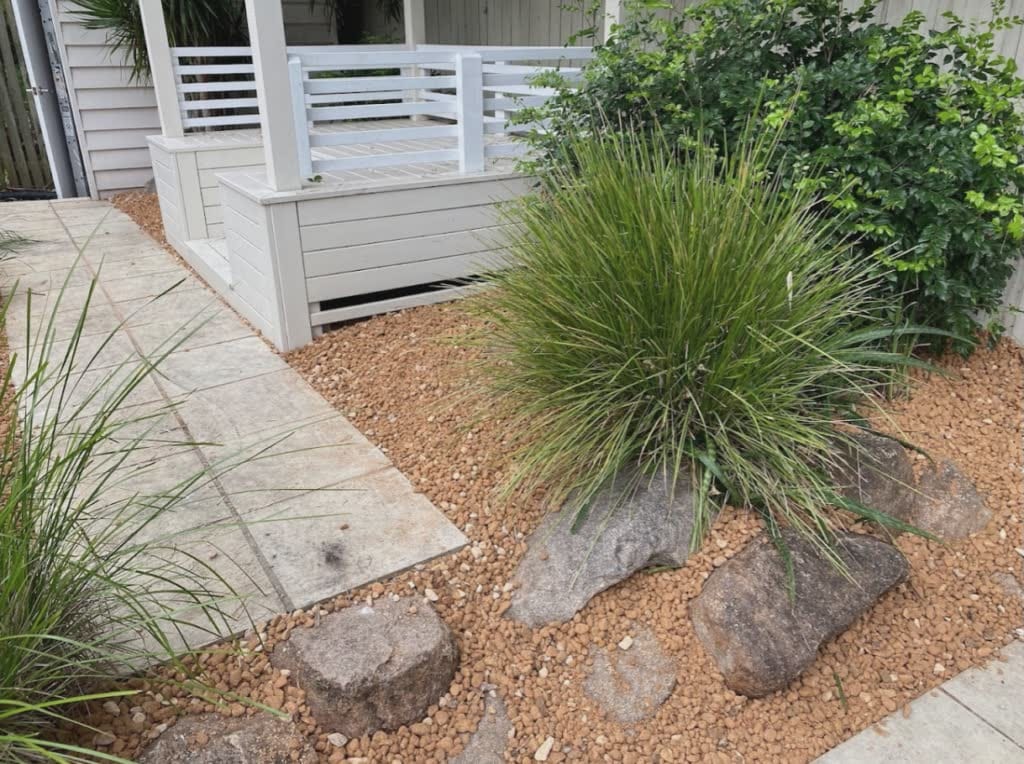
- Borders and Edging: Use the tidy habit of 'Tanika' to define paths without the need for constant trimming.
- Slopes and Erosion: The strong, clumping roots help stabilise soil on embankments.
- Potted Features: Compact varieties thrive in large containers, making them accessible for patios and balconies.
Common Problems and Natural Solutions
Lomandra is naturally resistant to most pests and diseases. Most issues, such as yellowing leaves, are caused by overwatering or poor drainage. In most cases, adjusting your watering habits will fix the problem without the need for chemical intervention.
A Sustainable Choice for a Calm Garden
Choosing plants like Lomandra supports a gardening style that values longevity and ease. It allows your outdoor space to remain beautiful even during times when your capacity for hands-on care is low.
Growing Lomandra isn't about following strict rules; it's about choosing a plant that supports both the planet and the person tending it. By selecting resilient natives, you create a garden that offers rest, sustainability, and simple enjoyment for everyone.
Frequently Asked Questions about Growing Lomandra
While it looks like a decorative grass, Lomandra is actually a hardy perennial herb in the asparagus family. In the home garden, it is often referred to as Mat Rush or a native strappy-leaf plant. It provides the same aesthetic as ornamental grass but is generally much tougher and more drought-tolerant.
Lomandra is incredibly water-wise. Newly planted Lomandra should be watered once or twice a week to help it settle. However, once the plant is established (usually after one full season), it rarely needs supplemental watering and can thrive solely on natural rainfall, even in dry climates.
Yellowing or browning is usually a sign of poor drainage or overwatering. Lomandra prefers "dry feet," so ensure the soil isn't staying soggy. If the plant is in a pot, check that the drainage holes aren't blocked. A gentle trim in late winter can also remove old, discoloured foliage to make way for fresh green growth.
Yes, most common garden varieties like Lomandra longifolia and ‘Tanika’ are non-toxic to dogs, cats, and humans. Many modern cultivars are also bred to have "soft leaves," meaning they aren't sharp or scratchy, making them a safe and practical choice for play areas and sensory gardens.
For a seamless border or "river" effect, space your plants about 30cm to 50cm apart. If you want them to grow as individual, rounded tufts, give them a bit more breathing room - around 60cm to 80cm. Proper spacing ensures good airflow, which keeps the centre of the plant healthy and green.




Get involved!
Comments