

Gardening doesn’t always look the same from season to season - and neither do our bodies. There are times when heavy work like digging, lifting, or hauling mulch simply isn’t possible. This might be due to recovering from surgery, managing an injury, feeling unwell, or just needing to slow down for a while.
The good news is that a garden doesn’t need constant heavy labour to stay healthy. In fact, some of the most important garden jobs are gentle, thoughtful, and easy to pace. By choosing lighter gardening tasks, you can continue caring for your plants while also supporting your own wellbeing.
In this article, we’ll explore practical, low-impact gardening jobs you can do when energy or mobility is limited - all tasks that quietly contribute to a healthier, more resilient garden.
Gardening When You Need to Take It Easy
There are many reasons why someone might need to avoid heavy garden work. These can include:
- Recovery from injury or surgery
- Chronic pain or fatigue
- Limited mobility
- Temporary illness
- Pregnancy or postnatal recovery
- Simply needing a slower, gentler gardening approach
Gardening should be adaptable and inclusive. With the right tasks and tools, it’s possible to continue gardening in a way that supports your wellbeing rather than pushing your limits.
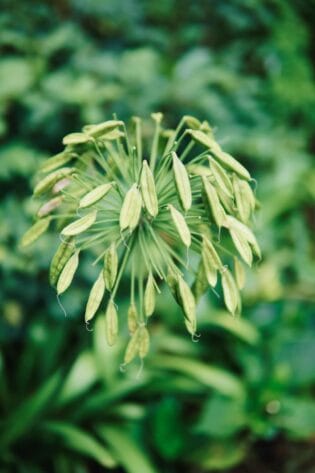
Removing Spent Flowers of Agapanthus
One of the most satisfying light gardening tasks is deadheading agapanthus. Once these plants finish flowering, their tall stems can be easily removed to keep the garden looking tidy and to help the plant redirect energy back into its roots.
Why this task works well when energy is limited:
- No digging or lifting required
- Can be done standing or sitting
- Requires only secateurs or garden scissors
Simply cut the spent flower stem down near the base of the plant. If bending is uncomfortable, long-handled pruners can make this task more accessible. Removing spent agapanthus flowers also reduces self-seeding and keeps garden beds looking neat.
Pruning Rosemary Plants (Light Maintenance Only)
Pruning rosemary doesn’t need to be a heavy or strenuous job. Light, regular trimming helps keep plants compact, encourages fresh growth, and prevents woody stems from becoming unproductive.
Gentle rosemary pruning tips:
- Focus on soft, green growth rather than thick woody stems
- Prune little and often rather than all at once
- Use sharp, lightweight secateurs
This task can be done at bench height if your rosemary is in a pot, or while seated next to a garden bed. As an added bonus, the pruned rosemary can be used fresh in the kitchen or dried indoors, extending the joy of gardening beyond the garden itself.
Sharpening and Maintaining Gardening Tools
When physical gardening tasks are limited, tool maintenance is an excellent way to stay connected to your garden. Clean, sharp tools make future gardening easier and safer, and this task can be done entirely indoors or seated comfortably.
Light gardening tool maintenance includes:
- Cleaning soil and sap from tools
- Sharpening secateurs and shears
- Oiling moving parts
- Checking handles for cracks or wear

This is a low-impact activity that supports long-term garden health. Well-maintained tools reduce strain when you’re ready to return to heavier gardening tasks and help prevent plant damage caused by blunt blades.
Weeding in Wet Weather (Gently and Selectively)
While weeding is often thought of as hard work, weeding in wet weather can be surprisingly gentle. Moist soil allows weeds to slide out more easily, reducing the effort required.
How to weed without overexertion:
- Focus on small sections at a time
- Pull weeds while seated or using a garden kneeler
- Target young weeds with shallow roots
Rather than tackling the entire garden, selective weeding around key plants can make a noticeable difference. This approach supports sustainable gardening and avoids unnecessary strain.
Light Pruning Camellias
Light pruning camellias is another suitable task when heavy work isn’t an option. Camellias generally require minimal pruning, especially if they’re already well-shaped.
Best practices for gentle camellia pruning:
- Remove dead or damaged branches only
- Trim lightly after flowering
- Avoid heavy structural pruning
This task helps improve airflow and encourages healthy growth without requiring strength or prolonged effort. Using lightweight tools and working slowly ensures the task remains manageable and enjoyable.
Additional Easy Gardening Jobs to Consider
If your energy levels vary from day to day, you might also enjoy these gentle garden activities:
- Checking plants for pests or disease
- Watering with a lightweight hose or watering can
- Mulching small areas using pre-bagged mulch
- Harvesting herbs or leafy greens
- Planning future garden changes or planting schedules

These jobs support garden health while allowing you to listen to your body and work within your comfort level.
Making Gardening More Accessible
If you find yourself regularly needing to avoid heavy work, consider adapting your garden to suit your needs:
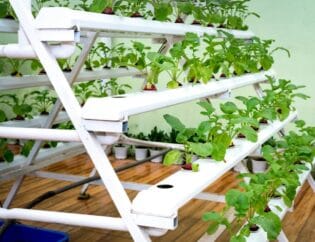
- Raised garden beds reduce bending
- Containers allow gardening at bench height
- Long-handled tools minimise reaching
- Garden stools and kneelers provide support
Accessible gardening is not about doing less—it’s about gardening smarter and more sustainably.
A Garden That Supports You
Gardening doesn’t have to stop when heavy work isn’t possible. By focusing on light gardening tasks, you can continue to care for your garden while also caring for yourself. Removing spent agapanthus flowers, pruning rosemary, maintaining tools, weeding gently in wet weather, and lightly pruning camellias all contribute to a healthy, beautiful garden - without overexertion.
Your garden will still be there as your strength returns. In the meantime, gentle gardening offers connection, purpose, and the quiet satisfaction of nurturing life at your own pace.




Get involved!
Comments