
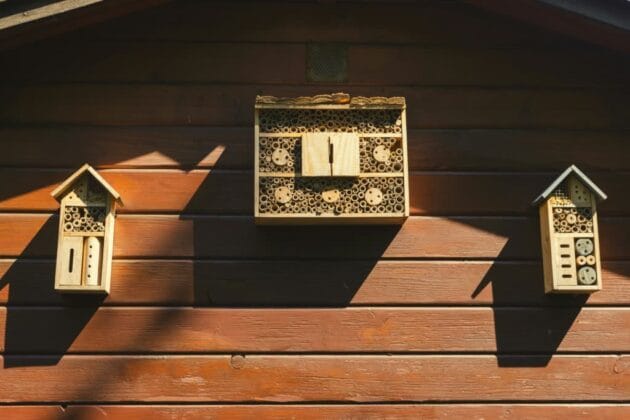
Insect houses enhance home gardens by providing shelter for beneficial insects such as native bees, lady beetles, and lacewings, which aid in pollination and pest control. Easy to install and maintain, they contribute to a balanced ecosystem. Ideal for various garden sizes, they promote sustainable gardening practices with minimal effort.
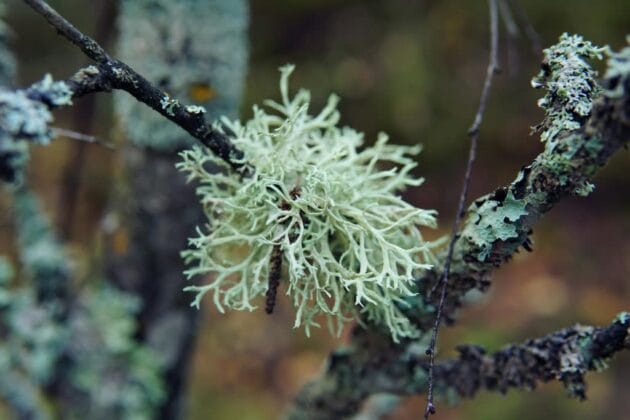
Lichens, a symbiotic combination of fungi and algae, thrive in clean, moist, and shaded environments, typically growing on trees and shrubs. They are harmless to plants, not drawing nutrients or moisture, and indicate good air quality. Removal is unnecessary; simple pruning can support plant health while maintaining biodiversity.

Your morning brew does more than energise your day – it can also revitalise your...
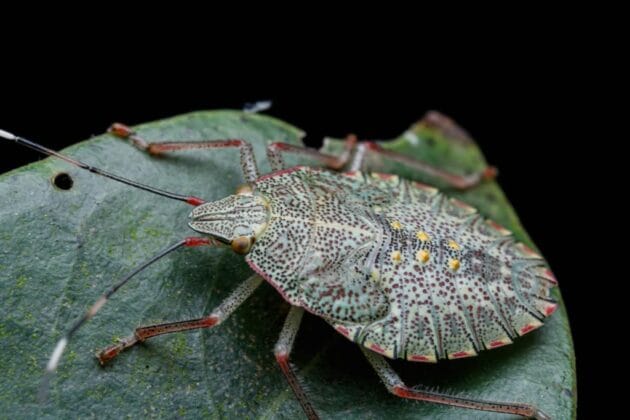
Citrus stink bugs, small shield-shaped insects, can damage citrus fruits by causing brown spots and misshapen fruits. To manage infestations, gardeners should identify stink bugs early, employ organic methods like hand-picking, encouraging natural predators, using neem oil, and set up physical barriers. Preventive measures include keeping gardens clean and monitoring nearby plants.
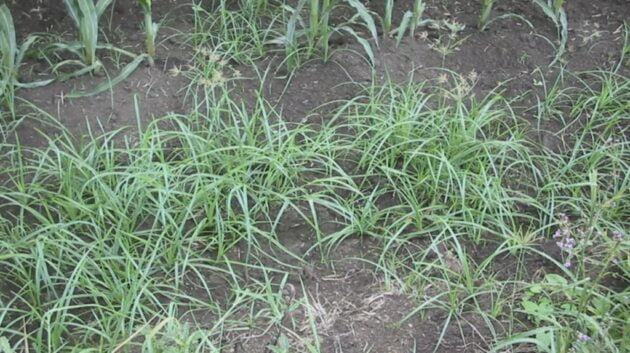
Nutgrass is also known in various parts of the world as sedge grass. But no...
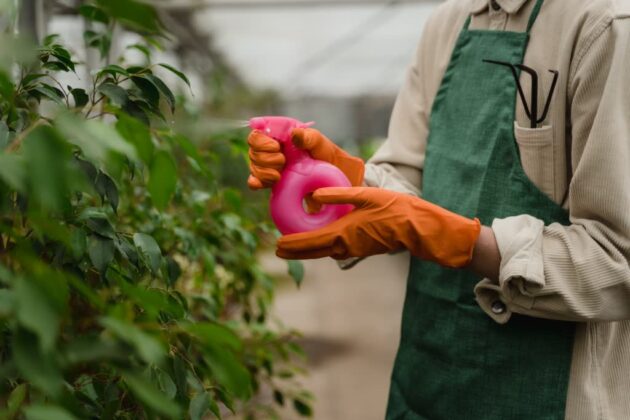
Insecticidal soap is an effective and environmentally friendly way to control pests on plants without...

Aphids, those tiny sap-sucking insects, can wreak havoc on some of your favourite garden plants....