
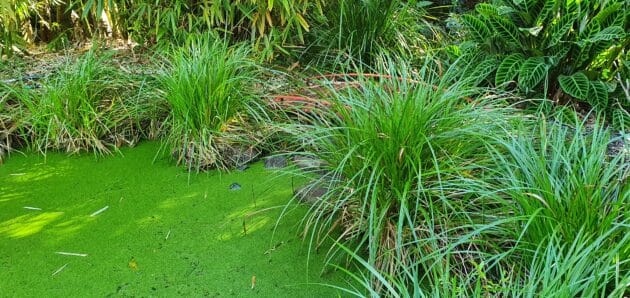
Lomandra is a resilient, low-maintenance native Australian plant ideal for home gardens, offering structure and beauty without extensive care. Its adaptability makes it suitable for various environments, supporting local biodiversity and conservation. With minimal watering needs and a safe foliage variety, Lomandra is perfect for all gardeners, including those with limited mobility.
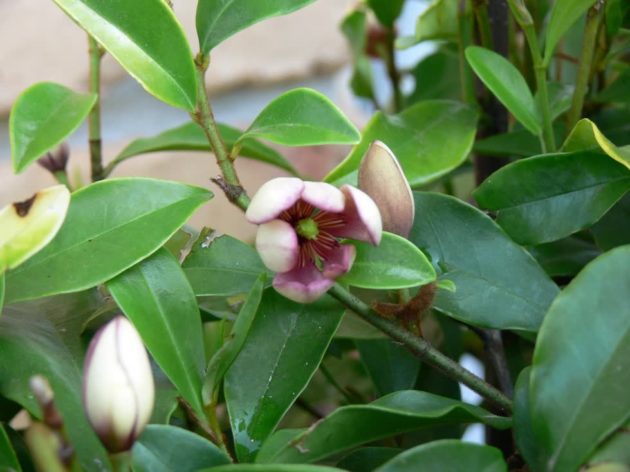
The Port Wine Magnolia (Michelia figo), also known as Banana Shrub, is a fragrant evergreen plant ideal for gardens of all sizes. This guide covers its growing conditions, care tips, and creative uses, emphasizing its compact nature, aromatic flowers, and low maintenance. It's perfect for beginners and enhances outdoor spaces year-round.
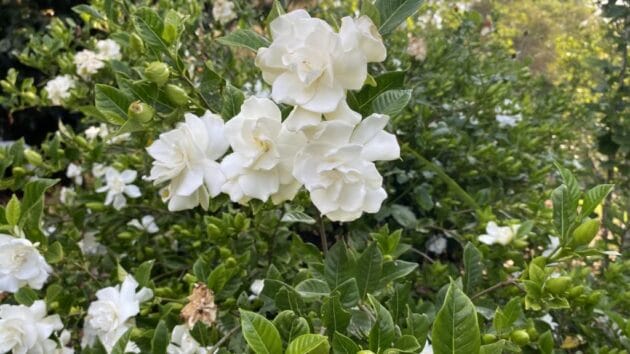
Gardenias (Gardenia jasminoides) are evergreen shrubs valued for their glossy foliage and fragrant white flowers. They thrive in warm, humid environments with acidic, well-draining soil, require consistent moisture, and are often used in gardens and containers. Regular care includes pruning, fertilizing, and protecting from cold conditions.
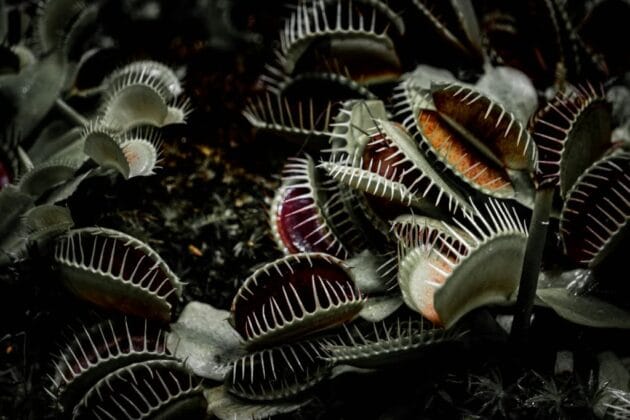
Carnivorous plants, known for trapping and digesting insects, are unique additions to gardens and indoor collections. They thrive in nutrient-poor, high humidity environments and require specific care with light, soil, and water. Species like Venus Flytrap and Pitcher plants are beginner-friendly, making the cultivation of these plants an engaging and educational experience.
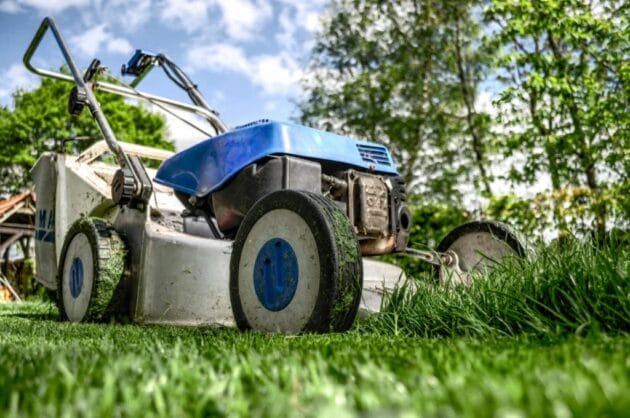
April is an ideal time for essential lawn care to enhance growth during warmer months. Start with an assessment, dethatching, and aerating to support roots. Feed with organic fertilizers, overseed bare patches, and water deeply. Control weeds naturally and mow correctly. Consistent care leads to a vibrant, resilient lawn throughout spring and summer.
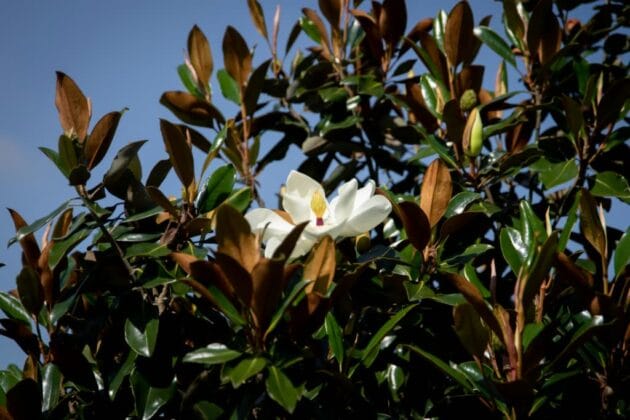
Magnolia grandiflora, or Southern magnolia, is an evergreen tree celebrated for its large, scented white flowers. Thriving in warm climates (USDA Zones 6-10), it requires full sun, well-draining soil, and ample space. Proper planting, watering, and minimal pruning ensure success, providing year-round beauty and fragrance in gardens.
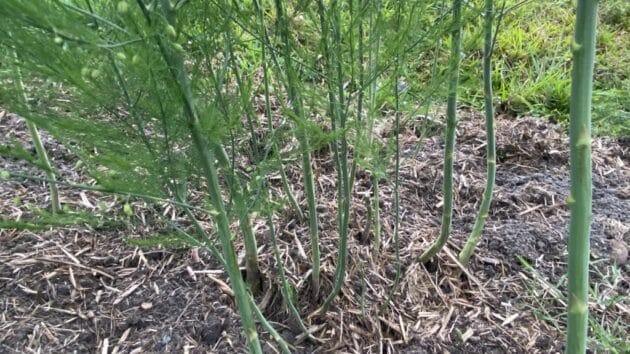
Thin asparagus spears can indicate that plants need care. Common reasons include young plant age, insufficient nutrients, overharvesting, crowded conditions, and stress from pests or diseases. To achieve thicker spears, gardeners should ensure proper fertilization, avoid aggressive harvesting, provide adequate spacing, and monitor for pests and diseases. Patience is essential.
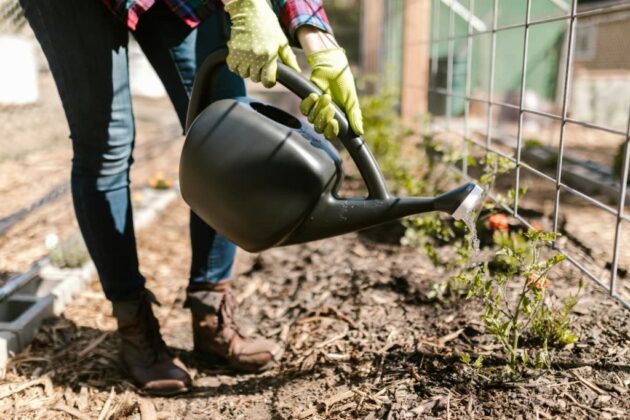
Growing vegetables in hot climates requires selecting heat-tolerant varieties to ensure success. Key vegetables include okra, peppers, eggplant, sweet potatoes, tomatoes, and cucumbers. Proper gardening practices like adequate watering, mulching, and providing shade are essential for these crops to thrive in warmer conditions. Time planting to take advantage of milder temperatures.

When it comes to selecting plants for your garden, understanding the difference between annual and...