
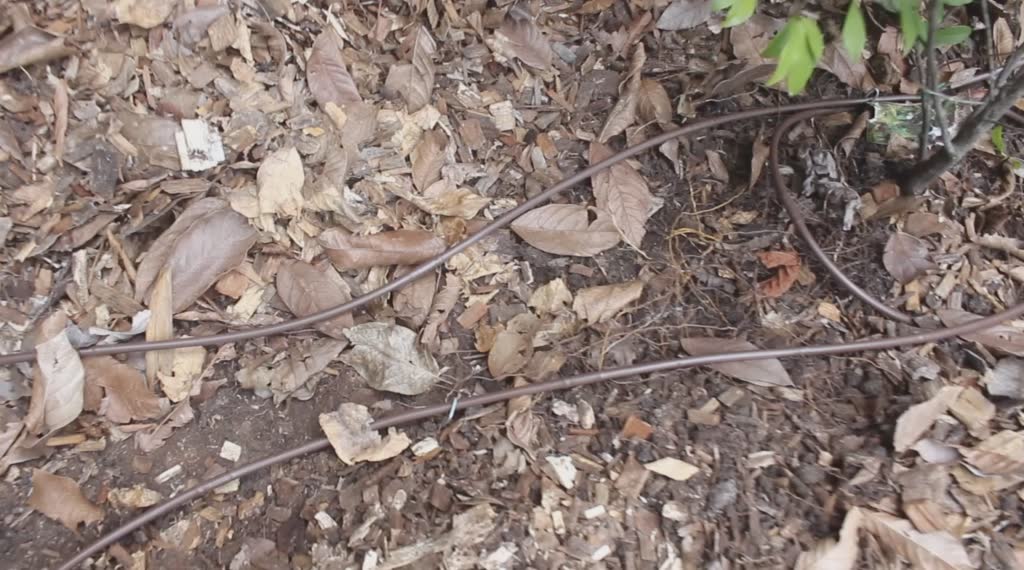
Watering can be one of the most rewarding parts of gardening - and one of the most tiring. Between changing seasons, busy lives, and fluctuating energy levels, keeping plants consistently watered isn’t always easy. A drip irrigation system offers a gentle, reliable way to support your garden without demanding constant attention.
Whether you’re growing vegetables, herbs, flowers, or fruit trees, drip irrigation allows you to work with your garden rather than against it. In this article I will walk you through how to install a drip irrigation system in a calm, practical, and achievable way - no pressure, no perfection required.
What Is a Drip Irrigation System?
A drip irrigation system is a low-pressure watering method that delivers water slowly and directly to the soil around plants. Instead of spraying water through the air, drip systems release water at ground level through small outlets called emitters.
This targeted approach helps plants absorb moisture efficiently while reducing water loss by evaporation or runoff. For home gardeners, drip irrigation offers consistency without complexity.
When Is a Drip Irrigation System Most Useful?
Drip irrigation systems are especially helpful when watering needs to be steady but time, energy, or mobility are limited.
Benefits of Drip Irrigation
- Uses significantly less water than sprinklers
- Delivers moisture directly to plant roots
- Reduces weed growth between plants
- Helps prevent fungal diseases caused by wet leaves
- Saves time and physical effort
- Works well with timers for hands-off watering
Potential Limitations of Drip Irrigation
- Initial setup takes some planning
- Emitters can clog if not filtered
- Not ideal for lawns or large open areas
Drip irrigation works best in vegetable gardens, raised beds, containers, orchards, and mixed garden beds where plants have different watering needs.
Types of Drip Irrigation Systems
Understanding the different types of drip irrigation systems can help you choose what best suits your garden and capacity.
Dripline (Inline Drip Tubing)
This tubing has emitters built in at regular intervals. It’s ideal for vegetable rows, hedges, and raised beds.
Drip Tubing with Individual Emitters
Plain tubing where you insert emitters exactly where needed. This offers flexibility for mixed plantings and containers.
Micro-Sprayers and Bubblers
These release water in a small spray or stream and are useful for fruit trees, shrubs, or densely planted areas.
Soaker Hoses
Often confused with drip irrigation, soaker hoses seep water along their length. They’re simple but less precise and harder to control.
Main Parts of a Drip Irrigation System
A basic drip irrigation system is made up of several key components working together:
- Backflow preventer – protects your household water supply
- Pressure regulator – reduces pressure to a safe level for drip lines
- Filter – prevents debris from clogging emitters
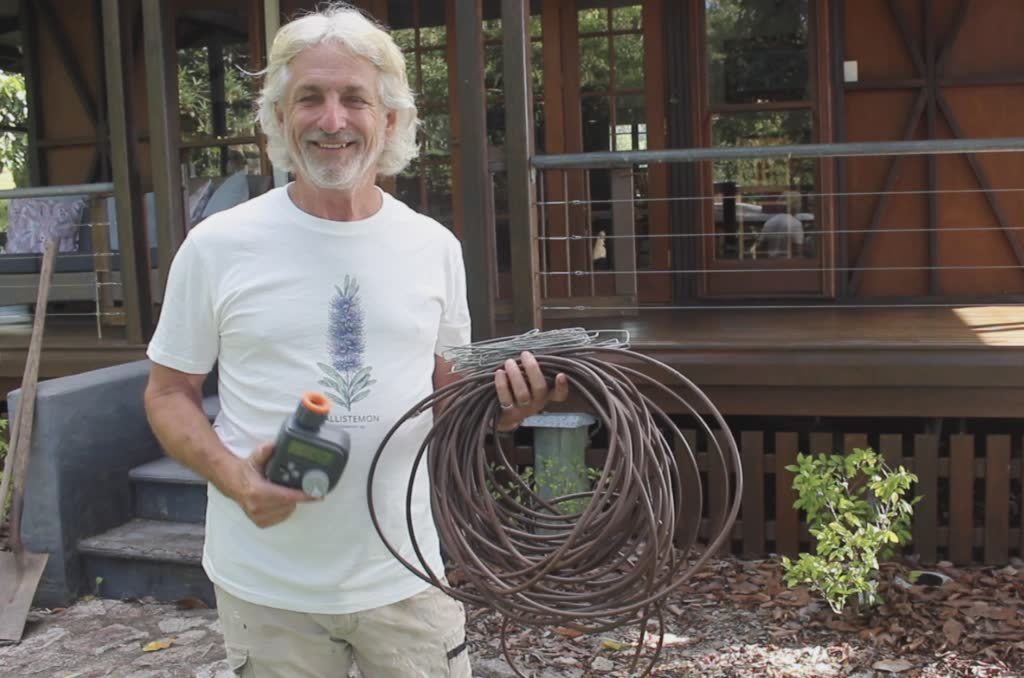
- Mainline tubing – carries water through the garden
- Emitters or driplines – deliver water to plants
- Connectors and fittings – join tubing sections
- End caps – close off the ends of lines
Optional additions include timers, stakes, and flush valves.
How to Install a Drip Irrigation System
Installing a drip irrigation system doesn’t need to be rushed. It’s perfectly fine to start small and expand over time.
Step 1: Plan Your Layout
Walk through your garden and note plant groupings, spacing, and water needs. Group plants with similar watering requirements where possible.
Step 2: Connect to the Water Source
Attach the backflow preventer, pressure regulator, and filter to your tap. If using a timer, install it between the tap and filter.
Step 3: Lay Out the Mainline Tubing
Run the tubing along garden beds, securing it with stakes or staples if needed. Keep lines loose enough to adjust later.
Step 4: Add Emitters or Dripline
Install emitters near the base of each plant or lay dripline along rows. There’s no need for perfect spacing - close is good enough.
Step 5: Cap the Ends and Test
Close the tubing ends, turn on the water slowly, and check for leaks or dry spots. Adjust as needed.
Common Drip Irrigation Mistakes to Avoid
Many drip irrigation issues come from small oversights rather than major errors.
- Skipping the pressure regulator
- Forgetting to install a filter
- Using too many emitters on one line
- Placing emitters too close to stems
- Not testing the system before walking away
Gentle adjustments over time are part of the process.
Maintenance and Troubleshooting
Drip irrigation systems are generally low-maintenance, but occasional care keeps them running smoothly.
Routine Maintenance
- Check filters every few weeks
- Flush lines at the start of each season
- Inspect emitters for clogs
- Adjust emitter placement as plants grow
Troubleshooting Common Issues
- Uneven watering: Check for blocked emitters
- Low pressure: Ensure the regulator is installed correctly
- Leaks: Tighten or replace connectors
Most fixes are simple and don’t require replacing the whole system.
FAQs About Drip Irrigation Systems
This depends on soil type, weather, and plants. Many gardens do well with 20–45 minutes, two to three times a week.
Yes. Drip irrigation is excellent for containers, helping prevent over- or under-watering.
Absolutely. Many systems are temporary and can be removed without altering taps or soil.
No. Most home gardeners can install a drip irrigation system with basic tools and patience.
Yes. Drip irrigation is one of the most water-efficient ways to irrigate a garden.



Get involved!
Comments