
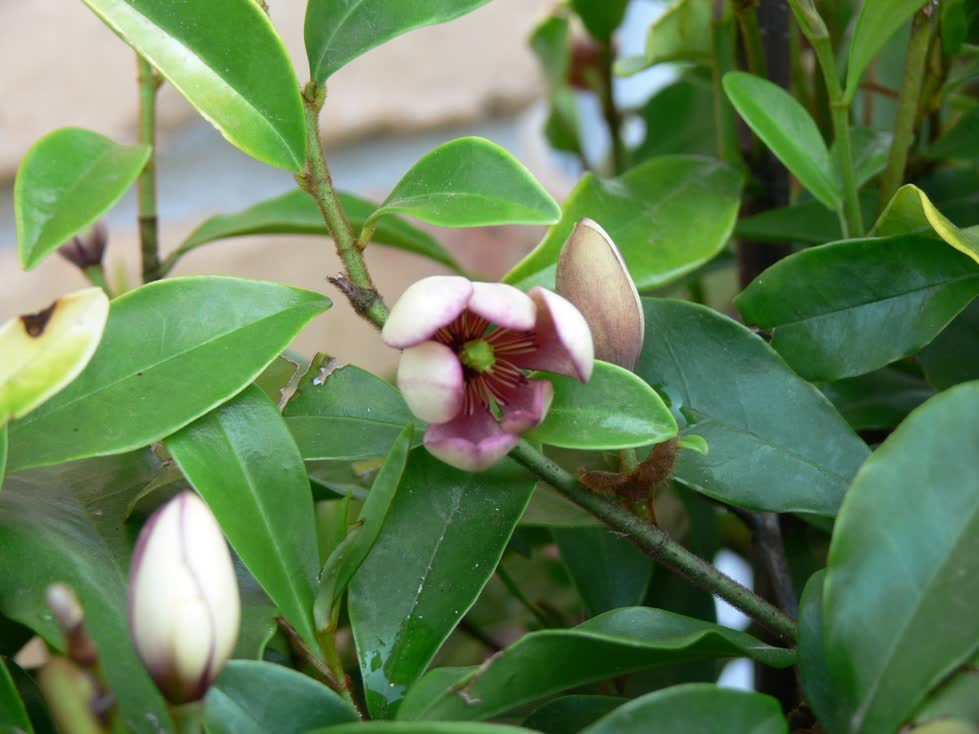
The Port Wine Magnolia (Michelia figo), sometimes called the Banana Shrub, is one of the most delightful evergreen plants you can grow in a home garden. Its glossy foliage, compact habit, and famously fragrant flowers make it a favourite among gardeners seeking both beauty and aroma. Whether you have a large backyard or a small courtyard, this versatile plant can enhance your outdoor space all year round.
In this guide, we’ll explore how to grow and care for Port Wine Magnolias, including expert care tips, troubleshooting advice, and creative ways to use them in your garden design.
Understanding the Port Wine Magnolia
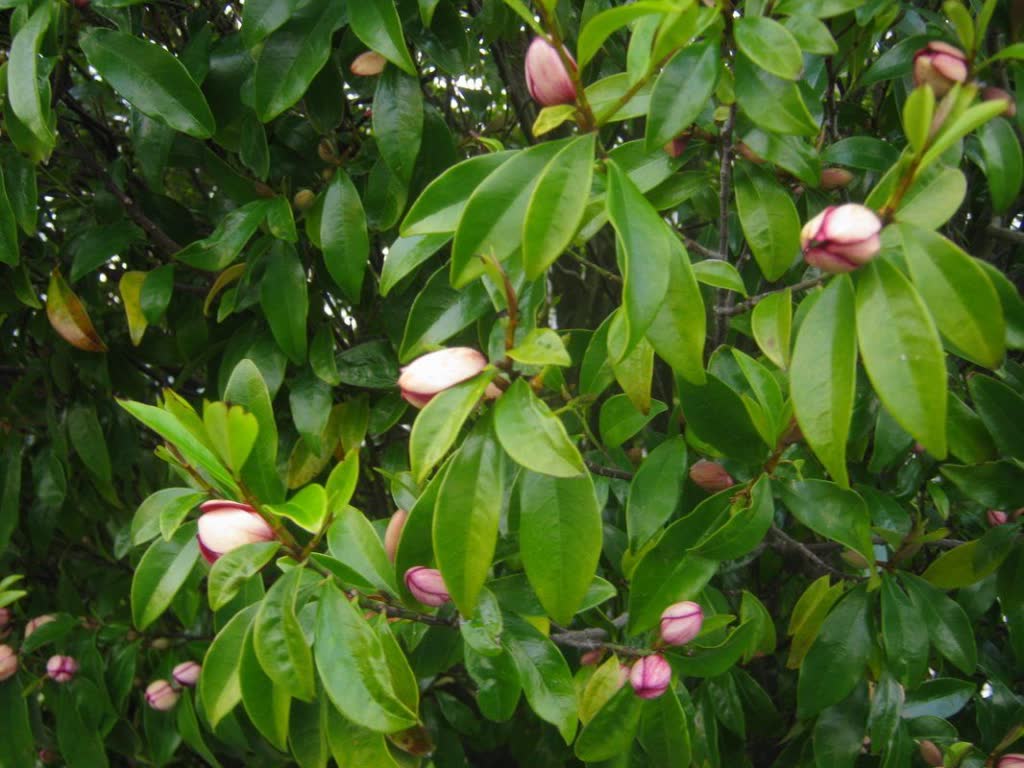
The Port Wine Magnolia is part of the Magnoliaceae family and is native to China. Despite its name, it isn’t a true magnolia but shares many of the same appealing traits. It’s a slow-growing, evergreen shrub that typically reaches between 1.5 and 3 metres tall, forming a dense, rounded shape.
The plant’s flowers are small, usually cream to deep purple, and bloom mainly in spring and summer, though they may appear intermittently throughout the year. Their scent - a sweet blend of banana and port wine - becomes most noticeable on warm, humid days, making them a true sensory treat for anyone who loves fragrant plants.
Ideal Growing Conditions for Port Wine Magnolias
Providing the right growing conditions from the start is key to long-term success. A healthy Port Wine Magnolia rewards consistent care with lush growth and an abundance of flowers.
Sunlight
Port Wine Magnolias thrive in full sun to partial shade. They can tolerate some shade but will produce more flowers in a bright, sunny position. In warmer climates, try to give them morning sun and afternoon shade to protect their leaves from scorching.
Soil
These plants prefer slightly acidic, well-drained soil enriched with organic matter. A loamy mix that retains moisture without becoming soggy is ideal. If your garden soil is heavy clay, improve drainage by working in compost and coarse sand. In sandy soils, add compost to boost moisture retention.
Watering
Consistent moisture is important, especially during establishment.
- Newly planted shrubs: Water deeply two to three times per week until established.
- Established plants: Water weekly in warm weather, more often during dry spells.

Avoid overwatering, as soggy roots can lead to rot. A layer of mulch around the base helps retain moisture and keep the roots cool.
Temperature and Climate
Port Wine Magnolias grow best in temperate to subtropical climates, thriving in USDA zones 9–11 or similar regions across Australia. They prefer mild winters and warm summers. Protect them from frost and strong winds, which can damage new growth and buds.
Planting Port Wine Magnolias
Taking time to plant your Port Wine Magnolia correctly sets the foundation for healthy growth.
- Dig a hole twice as wide and as deep as the root ball.
- Loosen the soil at the bottom to encourage root expansion.
- Mix organic matter such as compost or well-rotted manure into the backfill soil.
- Position the plant so the top of the root ball sits level with the soil surface.
- Backfill and firm the soil gently around the base.
- Water deeply and apply a thick mulch layer (leaving a small gap around the stem).
If planting several Port Wine Magnolias for a hedge, space them about one metre apart for a dense screen.
Feeding and Fertilising
Feed your Port Wine Magnolia twice a year — in early spring and late summer — to encourage strong growth and abundant flowering. Use a slow-release fertiliser formulated for acid-loving plants, such as those designed for camellias or azaleas.
Alternatively, top-dress with organic compost once a year to maintain healthy soil. Avoid over-fertilising with nitrogen-rich products, as this can lead to lots of foliage but fewer flowers.
Pruning and Maintenance
Port Wine Magnolias are naturally compact, so they don’t need heavy pruning. However, light maintenance helps them stay tidy and encourages bushier growth.
- Light pruning: After flowering, trim lightly to shape the plant and remove damaged or unruly branches.
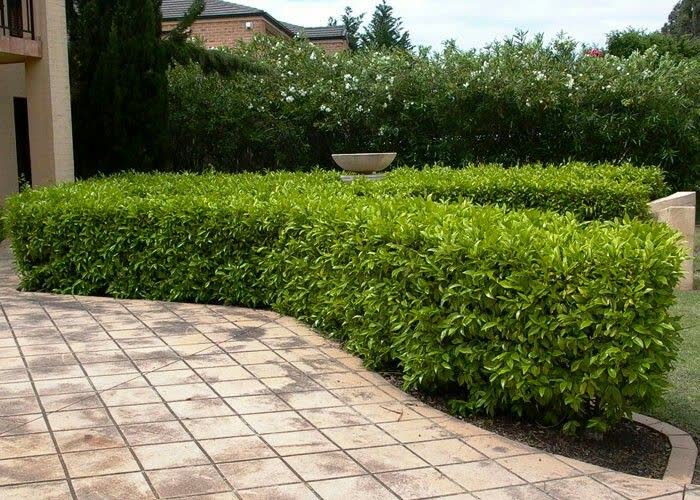
- Formal hedging: Prune more frequently to maintain an even, dense appearance.
- Rejuvenation pruning: Every few years, cut back by one-third in late winter to refresh older shrubs and promote new growth.
Always use clean, sharp secateurs to prevent disease spread.
Common Problems and How to Solve Them
Port Wine Magnolias are generally hardy, but a few issues may occasionally arise.
Yellowing Leaves
This can indicate poor drainage or alkaline soil. Improve soil structure and consider applying a soil acidifier like iron chelate to restore balance.
Lack of Flowers
If your Port Wine Magnolia isn’t flowering well, it may need more sunlight or less fertiliser. Move it to a sunnier spot if possible and use a balanced, low-nitrogen feed.
Pests
The most common pests are scale insects. Look for small brown bumps on stems or leaves. Treat with horticultural oil or organic insecticidal soap to control infestations.
Sooty Mould
This black residue often follows a scale infestation. Once the scale is gone, wipe affected leaves with a damp cloth or rinse gently with water to remove the mould.
Propagation Tips
You can propagate new Port Wine Magnolias from semi-hardwood cuttings in late summer.
- Take 10 - 15 cm cuttings from healthy, non-flowering stems.
- Remove the lower leaves and dip the cut end in rooting hormone.
- Plant the cutting in a mix of perlite and peat or a high-quality propagation mix.
- Keep moist and warm, ideally in bright, indirect light.
Roots usually form within 6 - 8 weeks. Once established, transfer the young plants into pots and gradually acclimate them outdoors.
Creative Ways to Use Port Wine Magnolias in the Garden
The Port Wine Magnolia is not only beautiful and fragrant but also extremely versatile. Here are a few ways to make the most of it in your outdoor space.
Fragrant Hedging and Screening
Because of their dense foliage and manageable size, Port Wine Magnolias make perfect fragrant hedges or privacy screens. They create a lush green backdrop that looks beautiful year-round, while their perfume fills the air on warm evenings. Use them to line driveways, borders, or fences for a structured yet inviting look.
Feature or Specimen Plant
If you prefer to highlight its elegant form, grow a Port Wine Magnolia as a standalone feature. Position it near patios, decks, or outdoor seating areas so you can enjoy the scent up close. A single specimen can add sophistication and structure to any landscape design.
Container Planting
For renters or those with limited garden space, Port Wine Magnolias grow beautifully in large pots or containers. Choose a high-quality potting mix suitable for acid-loving plants and ensure the pot has good drainage. Container-grown shrubs can be moved to patios, balconies, or entryways to showcase their fragrance.
Understory Planting
These plants also work well beneath taller trees or in semi-shaded garden beds. Their deep green leaves create a pleasing contrast against lighter foliage and tree trunks, adding depth and texture to layered planting schemes.
Complementing Other Plants
The Port Wine Magnolia blends beautifully with other fragrant or flowering plants such as camellias, azaleas, and gardenias in temperate gardens, or frangipanis and hibiscus in tropical ones. This versatility allows it to fit seamlessly into cottage gardens, formal landscapes, and tropical retreats alike.
Seasonal Care Guide
To keep your Port Wine Magnolia looking its best all year round, follow this simple seasonal care plan:
- Spring: Feed with slow-release fertiliser and water regularly as new growth begins.
- Summer: Maintain mulch and water deeply during dry spells to support flowering.
- Autumn: Lightly prune to shape and remove old blooms or dead foliage.
- Winter: Reduce watering, protect from frost, and apply a light layer of organic mulch to insulate roots.
Why Gardeners Love Port Wine Magnolias
Gardeners appreciate Port Wine Magnolias for their fragrance, elegance, and low maintenance. They offer the lush look of magnolias without the fuss and can thrive in many types of gardens. Their evergreen nature ensures your garden stays green year-round, and their subtle perfume adds a touch of luxury to everyday outdoor living.
In addition, their compact growth habit makes them ideal for urban gardens, courtyards, or narrow garden beds where space is limited. The fact that they’re relatively pest-resistant and drought-tolerant once established adds to their long-term appeal.
Port Wine Magnolia FAQs
Port Wine Magnolias (Michelia figo) usually grow between 1.5 and 3 metres tall, depending on growing conditions and pruning. In ideal conditions, they can reach up to 4 metres. Their dense, rounded shape makes them perfect for use as hedges, screens, or specimen shrubs.
They grow best in full sun to partial shade. While they can tolerate some shade, flowering is more prolific when they receive at least four to six hours of sunlight daily. In very hot regions, morning sun and afternoon shade help prevent leaf scorch.
Port Wine Magnolias are sensitive to frost, especially when young. In cooler climates, plant them in a protected spot near a wall, fence, or established trees for warmth and shelter. Applying a thick mulch layer during winter helps protect roots from temperature fluctuations.
Prune lightly after flowering to maintain a neat shape and encourage denser growth. Remove dead or damaged branches at any time of year. For older or leggy plants, perform a rejuvenation prune in late winter, cutting the shrub back by about one-third to promote new shoots in spring.
These shrubs thrive in slightly acidic, well-drained soil enriched with organic matter. A mix similar to that used for camellias and azaleas works well. Avoid alkaline or waterlogged soil, as this can lead to yellowing leaves and poor growth.
Keep the soil consistently moist but not soggy. During establishment, water deeply two or three times per week. Once established, water weekly in dry or hot weather. Always check that the top few centimetres of soil have dried out before watering again.
Yes - their small cream to deep-purple flowers release a rich, fruity scent often compared to ripe bananas or port wine. The fragrance is strongest in warm, humid weather, so planting them near patios or paths allows you to enjoy their perfume up close.
Port Wine Magnolias are incredibly versatile. They make beautiful fragrant hedges, privacy screens, and feature shrubs. They also grow well in containers, making them ideal for small gardens or balconies. Their glossy green leaves complement cottage, tropical, or formal garden styles.
If your shrub isn’t blooming, it could be due to insufficient sunlight, excess fertiliser, or incorrect pruning time. Move it to a sunnier location, feed it with a balanced fertiliser for acid-loving plants, and avoid pruning in late winter or early spring when buds are forming.
Absolutely! Port Wine Magnolias grow very well in large pots or tubs. Choose a container with good drainage and fill it with a premium acidic potting mix. Keep the soil moist, feed twice a year, and prune lightly to maintain shape. Container-grown plants are perfect for renters or courtyard gardeners.
The most common pest is scale insect, which appears as small brown bumps on stems and leaves. Treat infestations early with horticultural oil or organic insecticidal soap. Keeping the plant healthy through proper watering and feeding reduces pest problems.
With the right care, Port Wine Magnolias can live for several decades. Their evergreen foliage, low-maintenance nature, and fragrant blooms make them a long-term investment in any garden landscape.
The ideal time to plant is in spring or early autumn, when temperatures are mild and conditions encourage root growth. Avoid planting during extreme heat or frost periods to help your new shrub establish quickly and successfully.
Yes — Port Wine Magnolias are an excellent choice for beginner gardeners. They are hardy, easy to care for, and forgiving of minor mistakes. As long as they’re planted in the right spot with good soil and consistent moisture, they’ll thrive with minimal fuss.
Use a slow-release fertiliser for acid-loving plants, such as those made for camellias and azaleas. Apply in early spring and again in late summer. Organic compost or well-rotted manure can also be used to improve soil health naturally.
Some Final Thoughts
Growing and maintaining Port Wine Magnolias is both rewarding and straightforward. With the right mix of sunlight, soil, and care, these stunning evergreen shrubs will fill your garden with lush foliage and a fragrance that never goes unnoticed. Whether you use them as a hedge, feature plant, or container specimen, Port Wine Magnolias add timeless charm and sensory delight to any outdoor space.
By following the tips in this guide, you’ll be well on your way to enjoying years of healthy growth, rich fragrance, and vibrant blooms - proof that a little care goes a long way in creating a garden you’ll love.



Get involved!
Comments