
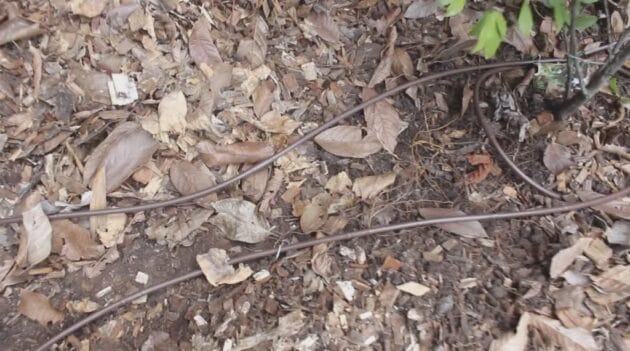
Watering can be one of the most rewarding parts of gardening - and one of...
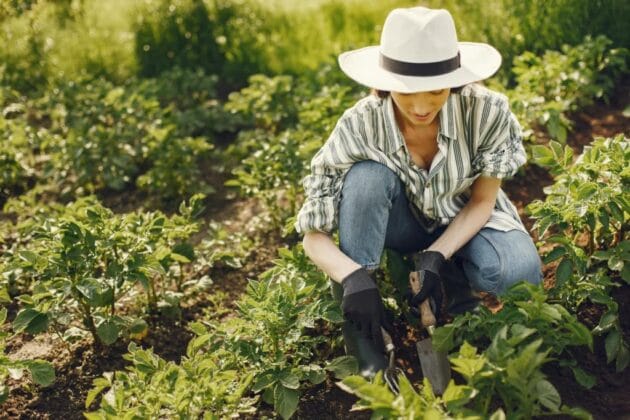
Gardening can adapt to different energy levels and physical limitations. Engaging in light tasks such as deadheading flowers, pruning lightly, maintaining tools, and gentle weeding allows individuals to support both their garden's health and their wellbeing. Accessible gardening practices ensure that everyone can continue nurturing their plants without overexertion, promoting a sustainable and enjoyable experience.
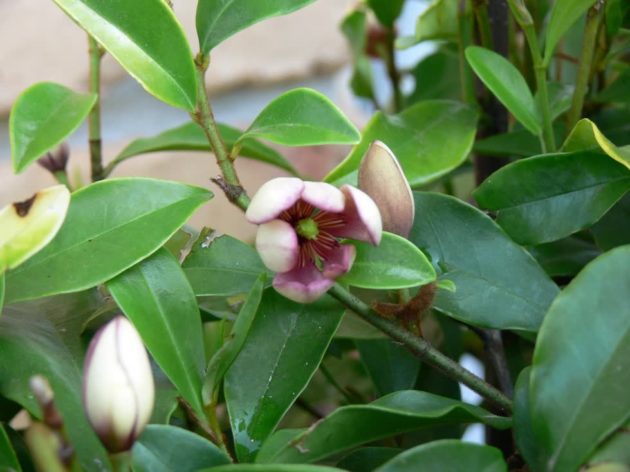
The Port Wine Magnolia (Michelia figo), also known as Banana Shrub, is a fragrant evergreen plant ideal for gardens of all sizes. This guide covers its growing conditions, care tips, and creative uses, emphasizing its compact nature, aromatic flowers, and low maintenance. It's perfect for beginners and enhances outdoor spaces year-round.
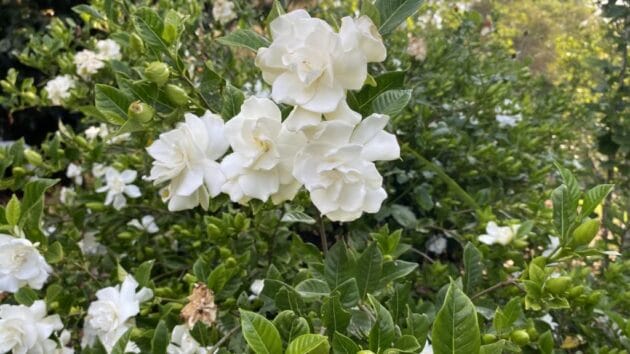
Gardenias (Gardenia jasminoides) are evergreen shrubs valued for their glossy foliage and fragrant white flowers. They thrive in warm, humid environments with acidic, well-draining soil, require consistent moisture, and are often used in gardens and containers. Regular care includes pruning, fertilizing, and protecting from cold conditions.
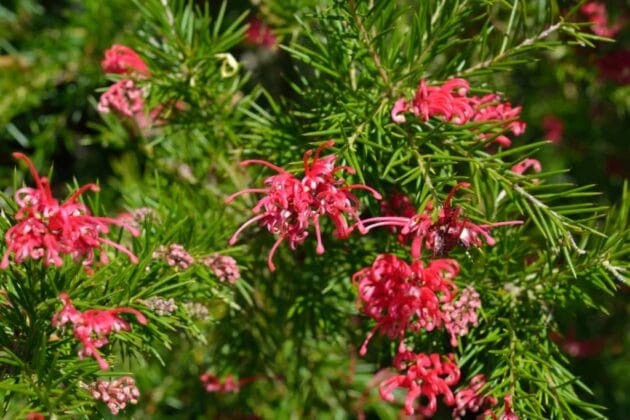
Grevilleas, native to Australia, are cherished for their flowers and ability to attract wildlife. Regular pruning enhances their growth, shape, and flowering. Best practices include pruning after flowering, light trims year-round, and avoiding harsh cuts. Hard pruning is a last resort for rejuvenation. Proper care post-pruning ensures thriving plants and blooms.
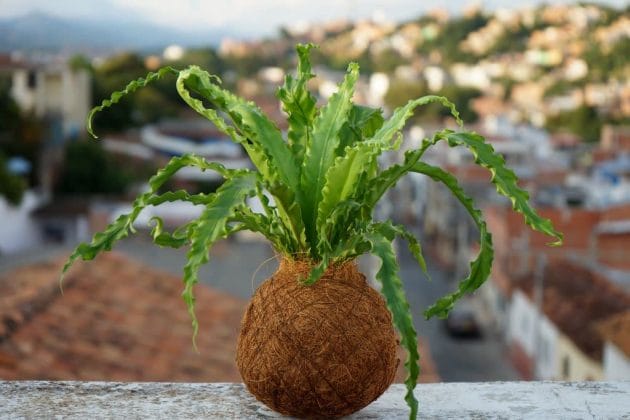
Kokedama, or "Japanese moss ball," is an artistic method to display plants by wrapping their roots in soil and moss. This eco-friendly technique is perfect for small spaces, offering low maintenance and aesthetic appeal. Step-by-step instructions guide you in making and caring for kokedama, fostering creativity and connection with nature.
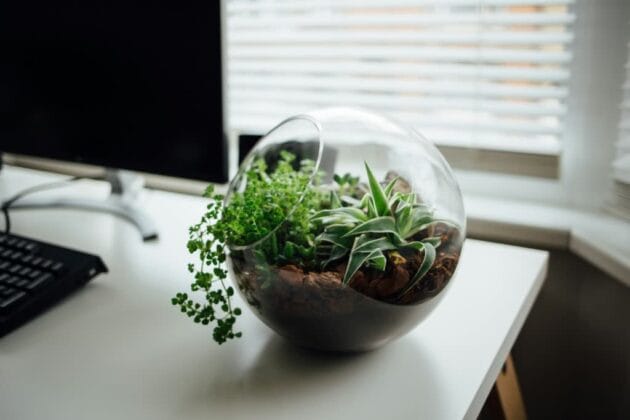
Terrariums are compact, self-contained ecosystems perfect for adding greenery indoors. They improve air quality, reduce stress, and are educational. Creating one involves selecting appropriate plants, layering drainage materials, and ensuring proper care. With simple steps and mindful choices, anyone can enjoy a thriving mini garden in their home.
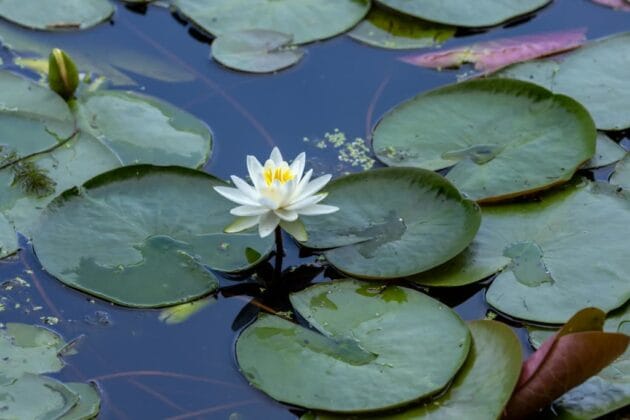
Creating a pond garden enhances outdoor spaces, promoting beauty and biodiversity. This guide details its benefits such as wildlife habitats and low maintenance, planning considerations, and step-by-step construction tips. Even small areas can accommodate container ponds. A pond garden rewards gardeners with a tranquil retreat while supporting local ecosystems.
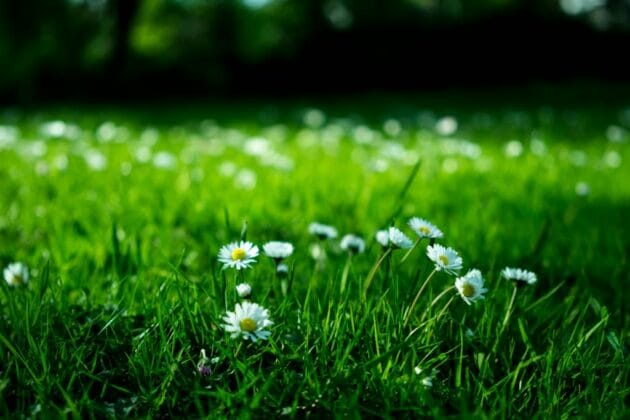
Sustainable lawn alternatives offer eco-friendly solutions to conventional grass lawns, reducing water consumption, chemical usage, and maintenance. Options such as creeping thyme, white clover, and native grasses enhance soil health, support biodiversity, and provide visual appeal. Transitioning gradually to these alternatives benefits both the environment and the gardener's experience.
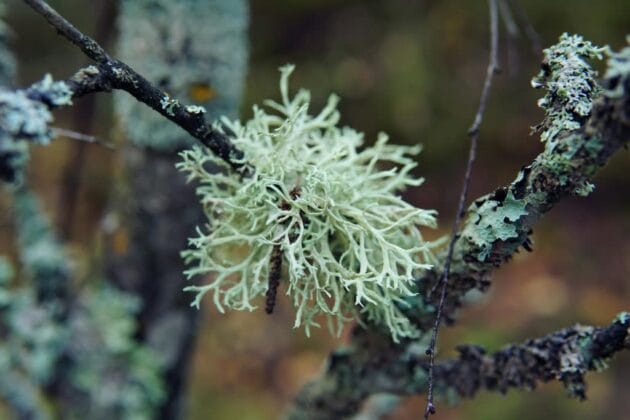
Lichens, a symbiotic combination of fungi and algae, thrive in clean, moist, and shaded environments, typically growing on trees and shrubs. They are harmless to plants, not drawing nutrients or moisture, and indicate good air quality. Removal is unnecessary; simple pruning can support plant health while maintaining biodiversity.