

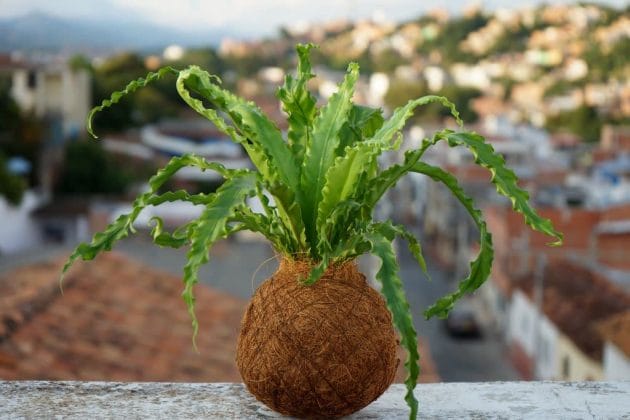
Kokedama, or "Japanese moss ball," is an artistic method to display plants by wrapping their roots in soil and moss. This eco-friendly technique is perfect for small spaces, offering low maintenance and aesthetic appeal. Step-by-step instructions guide you in making and caring for kokedama, fostering creativity and connection with nature.
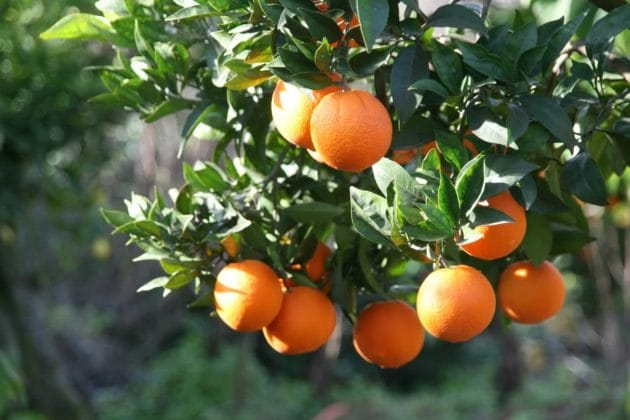
Citrus trees are a rewarding addition to any garden, offering fragrant blossoms, glossy green leaves,...
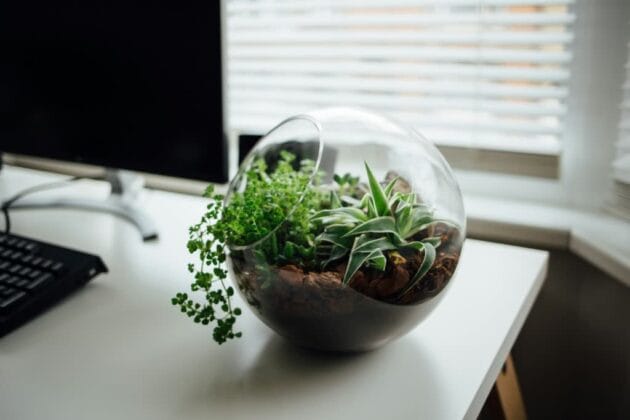
Terrariums are compact, self-contained ecosystems perfect for adding greenery indoors. They improve air quality, reduce stress, and are educational. Creating one involves selecting appropriate plants, layering drainage materials, and ensuring proper care. With simple steps and mindful choices, anyone can enjoy a thriving mini garden in their home.
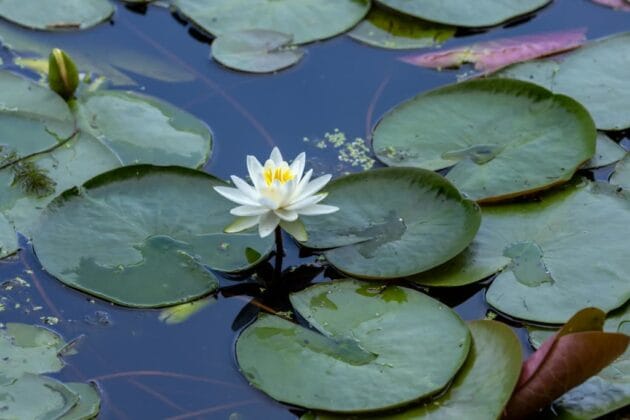
Creating a pond garden enhances outdoor spaces, promoting beauty and biodiversity. This guide details its benefits such as wildlife habitats and low maintenance, planning considerations, and step-by-step construction tips. Even small areas can accommodate container ponds. A pond garden rewards gardeners with a tranquil retreat while supporting local ecosystems.
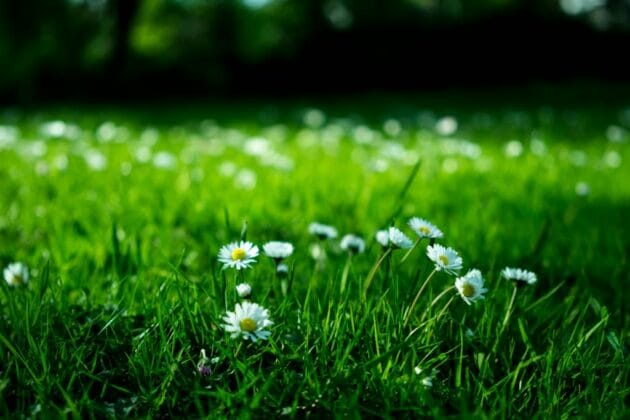
Sustainable lawn alternatives offer eco-friendly solutions to conventional grass lawns, reducing water consumption, chemical usage, and maintenance. Options such as creeping thyme, white clover, and native grasses enhance soil health, support biodiversity, and provide visual appeal. Transitioning gradually to these alternatives benefits both the environment and the gardener's experience.
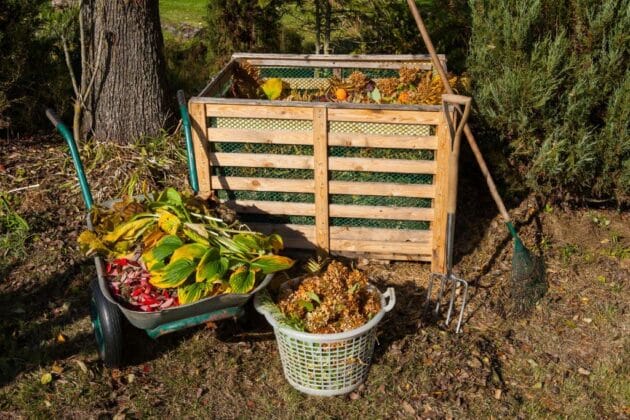
Composting converts kitchen and garden waste into nutrient-rich compost, benefiting soil health and plant growth. Different methods include traditional, vermicomposting, and hot composting. Key steps involve selecting materials, maintaining balance, and proper maintenance. Composting enriches soil, reduces waste, and fosters sustainable gardening, ultimately enhancing plant vitality and ecosystem health.
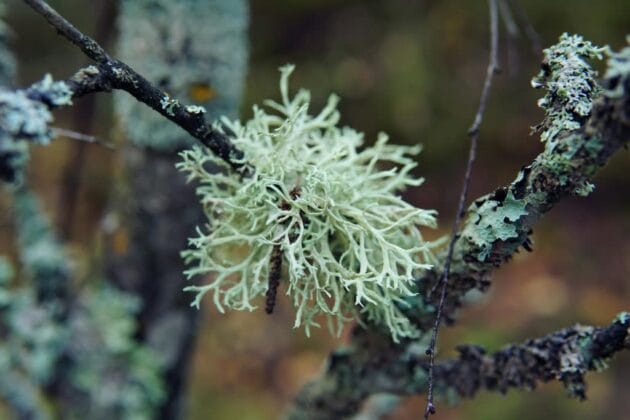
Lichens, a symbiotic combination of fungi and algae, thrive in clean, moist, and shaded environments, typically growing on trees and shrubs. They are harmless to plants, not drawing nutrients or moisture, and indicate good air quality. Removal is unnecessary; simple pruning can support plant health while maintaining biodiversity.
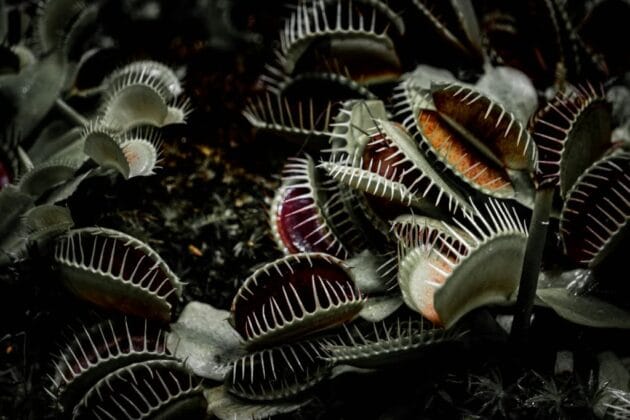
Carnivorous plants, known for trapping and digesting insects, are unique additions to gardens and indoor collections. They thrive in nutrient-poor, high humidity environments and require specific care with light, soil, and water. Species like Venus Flytrap and Pitcher plants are beginner-friendly, making the cultivation of these plants an engaging and educational experience.
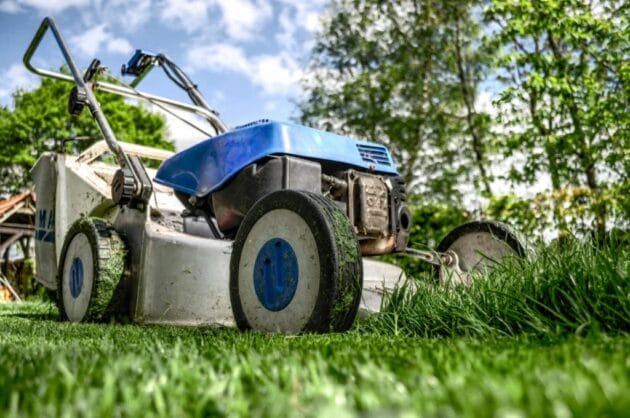
April is an ideal time for essential lawn care to enhance growth during warmer months. Start with an assessment, dethatching, and aerating to support roots. Feed with organic fertilizers, overseed bare patches, and water deeply. Control weeds naturally and mow correctly. Consistent care leads to a vibrant, resilient lawn throughout spring and summer.
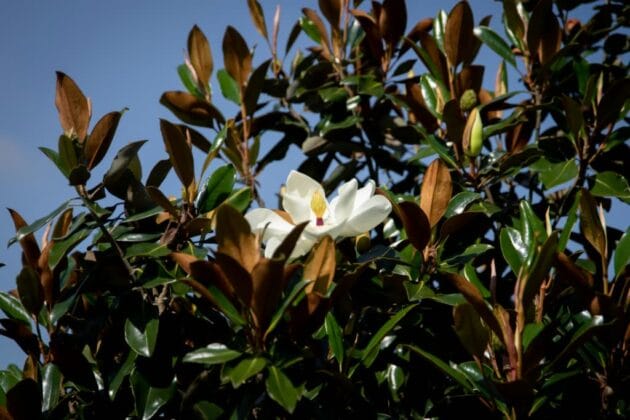
Magnolia grandiflora, or Southern magnolia, is an evergreen tree celebrated for its large, scented white flowers. Thriving in warm climates (USDA Zones 6-10), it requires full sun, well-draining soil, and ample space. Proper planting, watering, and minimal pruning ensure success, providing year-round beauty and fragrance in gardens.